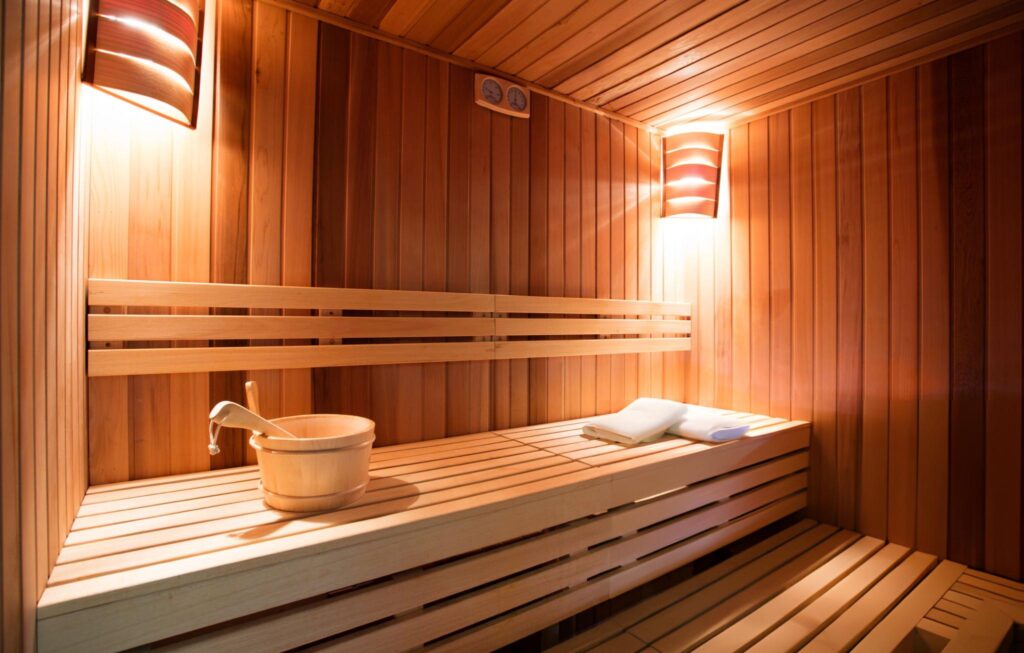
Saunas expose the body to controlled heat, causing several natural physiological responses. Interest in sauna bathing has grown alongside broader interest in recovery, stress management, and home wellness. Sauna bathing is best considered part of a wellness routine, not a substitute for medical care or regular physical activity. Safe exposure, hydration, and attention to personal tolerance remain essential.
Potential Health Benefits of Regular Sauna Use
Regular sauna sessions may offer a range of wellness benefits, but the effects can differ depending on a person’s health, the sauna environment, and the frequency of use.
1. Supports Cardiovascular Health
Cardiovascular effects are among the most researched health benefits of sauna. Heat exposure increases heart rate, changes blood flow, and can reduce peripheral vascular resistance. Long-term observational research, published in BMC Medicine, has associated frequent sauna bathing with lower rates of certain cardiovascular outcomes. However, these findings cannot establish direct cause and effect because other lifestyle factors may also influence the results.
2. May Support Healthy Blood Pressure
Heat exposure can widen blood vessels, potentially causing a temporary reduction in blood pressure after a sauna session. Individual responses vary, so sauna use should never replace prescribed blood pressure treatment. Anyone managing hypertension should discuss regular sauna use with a healthcare professional.
3. Promotes Relaxation and Stress Relief
Relaxation remains one of the most noticeable benefits of using the sauna. Warmth can help the body feel less tense, while a quiet environment provides time away from everyday responsibilities. Slow breathing and a calm setting can make a sauna session more relaxing.
4. May Help with Muscle Recovery
Heat may increase circulation and help some people feel less stiff after physical activity. A comfortable sauna session can therefore become part of a broader recovery routine. Rest, hydration, nutrition, and appropriate training remain important. Sauna bathing should complement these habits rather than replace them.
5. May Support Sleep
Relaxation before bedtime may help some people prepare for sleep. A warm session followed by a comfortable cooling period can become part of an evening routine. Research published in Annals of Medicine & Surgery has examined potential links between regular sauna use and sleep-related outcomes, but the available evidence is still limited. Sauna sessions are therefore better described as a possible relaxation aid rather than a treatment for insomnia or other sleep disorders.
6. May Support Joint and Muscle Comfort
Warmth can temporarily ease stiffness and improve comfort for some people. Increased circulation may also make movement feel easier after sitting in the sauna. Persistent or worsening pain should receive appropriate medical evaluation rather than being managed solely with heat.
Sauna Use and Exercise Recovery
Sauna use can fit into an exercise routine when sessions are planned around hydration, recovery needs, and individual tolerance.
· Before Exercise
Using a sauna immediately before strenuous exercise may not suit everyone because heat exposure can raise heart rate and increase fluid loss. A sauna session should never replace a proper warm-up. Hydration and personal heat tolerance should also be considered.
· After Exercise
After exercise, allow your body to begin cooling before entering a sauna. Replace fluids lost through physical activity and sweating. Moderate sessions may feel soothing, but dizziness, nausea, weakness, or lightheadedness are reasons to leave immediately and cool down.
· On Rest Days
A sauna can also fit comfortably into a rest-day routine. Pairing heat exposure with gentle stretching, hydration, or quiet relaxation can support a recovery-focused schedule.
We provide home sauna options in Colorado Springs from leading brands for people who want a dedicated space for regular heat-based relaxation. Create a dedicated wellness space at home and enjoy a simple routine whenever you need time to unwind.
How to Choose a Traditional Sauna for Your Wellness Routine?
Choosing a home sauna involves considering your wellness goals, available space, heating system, construction quality, and long-term maintenance needs. Traditional sauna systems use a heated room and sauna heater to warm the surrounding air, creating the classic sauna experience. The traditional sauna benefits commonly associated with this setup include relaxation, warmth, sweating, and a temporary increase in heart rate and blood flow.
· Consider Your Main Goal
Think about relaxation, recovery, stress management, or general wellness. Your main purpose can help guide your choice.
· Evaluate Available Space
Measure the installation area and consider ceiling height, electrical needs, ventilation, and access for maintenance.
· Compare Heating Systems
Traditional sauna heaters warm the surrounding air, while infrared systems use infrared energy to heat the body more directly. These systems provide different experiences and operating conditions.
· Prioritize Build Quality
Durable materials, dependable heating equipment, reliable controls, and appropriate insulation can support long-term use.
· Consider Long-Term Ownership
Consider energy use, cleaning, maintenance, replacement components, and warranty support before making a purchase.
Who Should Be Cautious About Sauna Use?
Certain health conditions, medications, and individual circumstances can affect how safely a person responds to significant heat exposure.
· People with Certain Heart Conditions
Heat places additional demands on the cardiovascular system. People with significant or unstable heart conditions should obtain medical guidance before using a sauna.
· People with Blood Pressure Concerns
Heat can temporarily affect blood pressure. People taking blood pressure medication should discuss sauna use with a healthcare professional when appropriate.
· Pregnant Women
Pregnancy can affect heat tolerance and temperature regulation, so pregnant individuals should discuss sauna use with their healthcare provider. Extra caution is appropriate if there are pregnancy-related health concerns or symptoms such as dizziness, dehydration, or overheating.
· People Taking Certain Medications
Some medications affect sweating, blood pressure, hydration, or heat tolerance. Professional guidance can help determine whether sauna exposure is appropriate. Some medications can also alter how the body responds to heat or may be affected by increased skin blood flow, so medication-specific guidance may be necessary.
· Children and Older Adults
Children and adults may respond differently to heat. Children require close supervision and professional guidance, while older adults may need additional caution because of changes in temperature regulation and cardiovascular function.
Sauna Use for Different Wellness Goals
Different people may use a sauna for relaxation, recovery, stress management, or general wellness, making it useful to consider the purpose of each session.
|
Wellness Goal |
How Sauna Use May Help |
Important Consideration |
|
Relaxation |
Provides warmth and quiet downtime | Keep sessions comfortable |
| Muscle Recovery | May ease perceived stiffness |
Hydration remains important |
|
Cardiovascular Wellness |
Temporarily increases cardiovascular activity | Not a substitute for exercise |
| Stress Management | Creates dedicated relaxation time |
Use alongside healthy habits |
|
Sleep Routine |
May promote physical relaxation | Individual responses vary |
| General Wellness | Supports a consistent routine |
Practice moderation |
How to Create a Consistent Sauna Routine?
A consistent routine should be simple enough to maintain while allowing adequate time for hydration, cooling, and recovery.
- Choose A Convenient Time: Select a time that fits naturally into your schedule. Avoid rushing immediately before or after a session.
- Keep Hydration Nearby: Have water available before and after sauna use. Consistent hydration becomes especially important when exercise is part of the same routine.
- Pair Sauna Use with Other Healthy Habits: Staying active, eating a nutritious diet, getting enough sleep, and managing daily stress should continue to form the foundation of a healthy lifestyle.
- Track Your Response: Notice how you feel during and after each session. Adjust the duration or frequency if your body responds poorly.
Sauna Benefits for Different People
Sauna responses can vary among individuals, so factors such as age, health status, medications, and heat tolerance should be considered when discussing potential benefits.
· Sauna Benefits for Women
Potential benefits of sauna for women may include relaxation, muscle comfort, and cardiovascular responses, but individual health circumstances remain important.
· Sauna Benefits for Men
Some long-term Finnish research involving men has found associations between frequent sauna use and lower risks of certain cardiovascular outcomes. These findings remain observational and should not be interpreted as proof of direct disease prevention. Potential benefits of sauna for men should therefore be considered alongside exercise, nutrition, preventive care, and appropriate medical treatment.
FAQs
1. Is It Healthy to Use a Sauna Regularly?
For many healthy adults, regular sauna use can fit into a wellness routine. Potential benefits include relaxation and cardiovascular responses, but safe temperatures, reasonable sessions, hydration, and individual tolerance are important.
2. How Often Should You Use A Sauna?
There is no universally established frequency. Start gradually, monitor your response, and follow the sauna manufacturer’s recommendations.
3. Does Sauna Use Help With Muscle Recovery?
Heat may improve circulation and reduce perceived stiffness, making sauna bathing a comfortable addition to recovery. It does not replace rest, hydration, nutrition, or appropriate exercise planning.
4. Can Sauna Use Help With Stress?
A quiet, warm environment may promote relaxation and reduce perceived stress. Sauna use should not be considered treatment for anxiety or other mental health conditions.
5. Who Should Avoid or Limit Sauna Use?
People with certain cardiovascular conditions, blood pressure concerns, pregnancy, medication-related heat sensitivity, dehydration, or acute illness should seek appropriate professional guidance before using a sauna.
Conclusion
Regular sauna bathing can be a practical addition to a balanced wellness routine. Heat exposure temporarily increases heart rate, changes circulation, and causes sweating, while the quiet environment can encourage relaxation. The potential sauna therapy benefits should therefore be viewed realistically. Sauna use can complement exercise, hydration, nutritious food, adequate sleep, and recovery habits, but it should not replace medical care or established healthy behaviors.
Looking for a more budget-friendly way to enjoy a hot tub at home? We offer refurbished hot tubs in Colorado Springs for homeowners who want spa comfort without choosing a brand-new model. Explore our available refurbished options and find one that fits your space, needs, and budget.