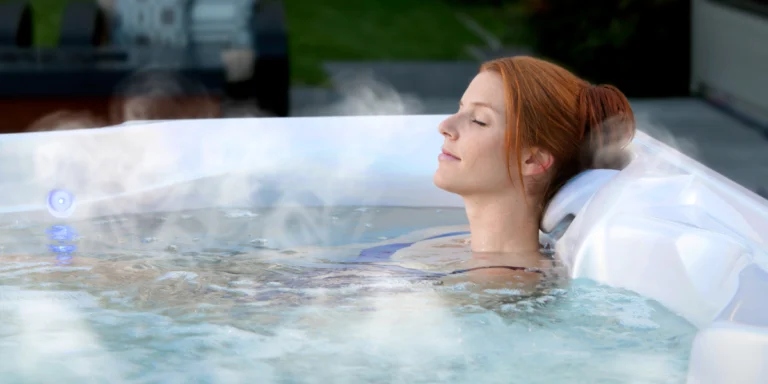
Few experiences rival the soothing comfort of a hot tub after a long, stressful day. Warm water melts tension, hydrotherapy jets relieve aches, and the quiet ambiance offers a private retreat right at home. Hot tubs are popular among wellness-conscious homeowners seeking relaxation without leaving their property. Despite this, many hot tub owners unknowingly harm their spas by introducing everyday bath products. Shampoos, soaps, bubble baths, bath bombs, essential oils, or even standard bath salts may seem harmless.
This guide dives into which bath products you should never add to a hot tub, why they are harmful, the potential impact on water quality, equipment risks, and safer alternatives. By following these tips, you can protect your spa investment and enjoy a consistently clean, relaxing soak.
Why Certain Bath Products Can Harm Your Hot Tub
Chemical Reactions and Residue
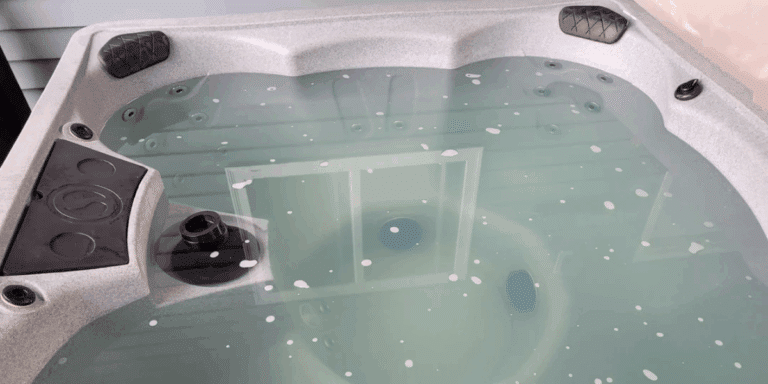
Lotions, oils, and bubble baths react unpredictably with chlorine or bromine, forming residues that reduce sanitizer effectiveness. These chemical interactions often result in cloudy water, sticky surfaces, and even skin irritation. Over time, residue accumulation stresses the tub’s filtration system, reducing overall water quality and making maintenance more complex.
Foam and Water Contamination
Soap and detergent-based products create excessive foam, overwhelming circulation systems. This foam prevents sanitizers from working effectively, which can lead to bacterial growth. High foam levels may also trigger safety cutoffs in some spas, shutting down jets and reducing your hot tub’s performance.
Equipment Damage
Oils and harsh chemicals coat plumbing, clog filters, and strain pumps. Sticky residues form inside jets and nozzles, reducing flow and causing uneven pressure. Neglecting these issues can result in permanent damage to heaters, pumps, or even the acrylic shell.
Common Bath Products to Avoid
Bubble Bath and Bath Foams
Bubble baths are a major culprit in creating foam. Even a small amount of bubble bath can produce massive bubbles that stress the spa system. Questions like Can you put bubbles in a hot tub arise often, but conventional bubble bath products are unsafe. Excess foam interferes with chemical balance and may lead to cloudy, unsanitary water.
Body Oils and Lotions
Body oils, moisturizers, or sunblock leave a film on the water surface and coat internal plumbing. Sticky residue can clog jets, reduce water flow, and form a slippery layer that affects comfort. Oils also combine with sanitizers to produce scum lines on the water surface, which are difficult to remove without draining the spa.
Hair Products
Shampoos, conditioners, and styling products introduce phosphates and fragrances into the water. These compounds encourage foam and may accumulate in filters, demanding frequent maintenance. Using hair products regularly can shorten the lifespan of your equipment.
Bath Bombs
Many bath bombs include oils, glitter, dyes, and fragrances that damage hot tub plumbing and stain acrylic surfaces. Homeowners often ask, “Can you use bath bombs in a hot tub?” Standard bath bombs are unsafe, but spa-specific formulations provide safe aromatherapy without harming water chemistry or equipment.
Regular Bath Salts
Some spa users wonder, “Can you use bath salts in a hot tub?” Ordinary Epsom or mineral salts react with chlorine or bromine, causing chemical imbalances, skin irritation, and potential damage to pumps or filters. Only salts labeled for hot tub use maintain proper water quality and guarantee the longevity of your spa.
Skincare Products
Sunscreen, deodorant, and makeup introduce oils and pigments into the spa. These substances reduce sanitizer effectiveness, create stains, and leave scum on the water surface. Even small amounts can cause long-term issues with water clarity and surface condition, depending on the frequency of use.
Consequences of Adding the Wrong Products
Water Imbalance
Using products such as bubble bath in a hot tub can create excessive foam, disrupt sanitizer levels, and lead to cloudy water. Over time, this imbalance forces more frequent chemical adjustments and may require early water replacement to maintain safe conditions.
Surface Stains and Discoloration
Residue, dyes, or oils may permanently mark acrylic shells and liners. Repeated exposure dulls finishes, reduces aesthetic appeal, and can lower the spa’s resale value.
Increased Maintenance Needs
Foam, residue, and chemical imbalances demand extra effort. Filters need more frequent cleaning or replacement, jets must be unclogged, and water testing increases in frequency. The cost of supplies and time spent rises considerably.
Shortened Equipment Lifespan
Clogged pumps, fouled plumbing, and coated jets accelerate wear. Malfunctions can occur more often, leading to costly repairs or premature replacement of critical components.
Safer Alternatives and Tips for Enjoying Your Hot Tub
Hot Tub-Friendly Additives
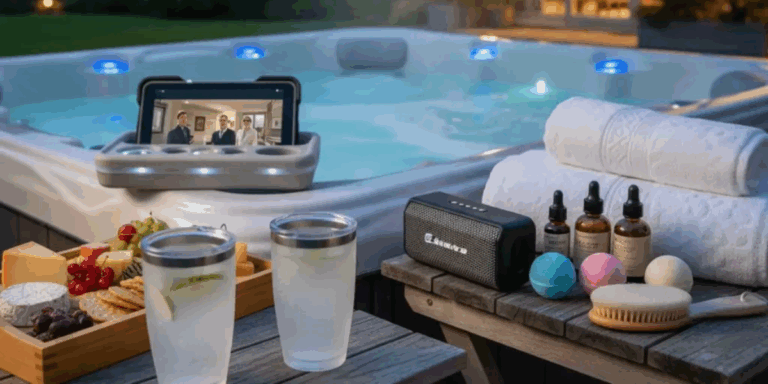
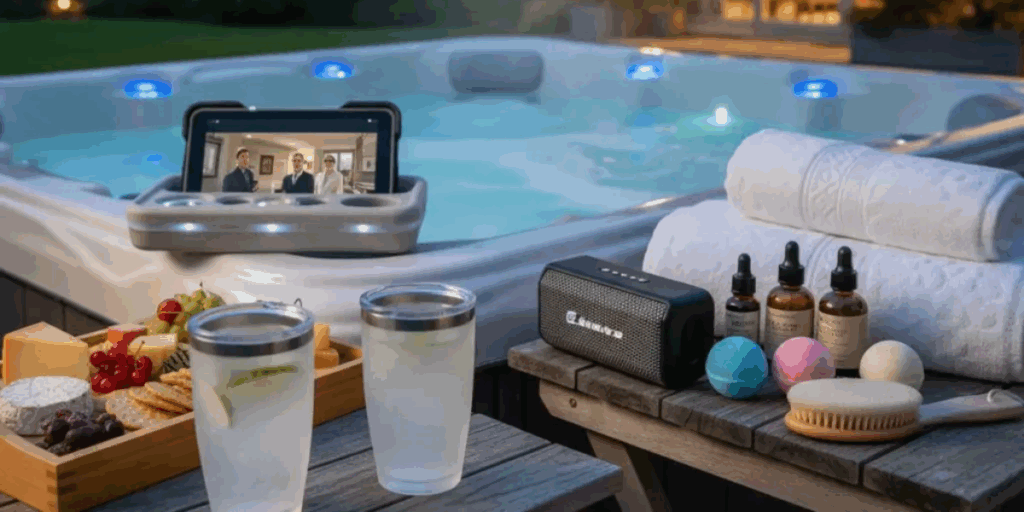
Spa-specific aromatherapy products allow you to enjoy scented soaks safely. Many people wonder, are bath bombs safe for hot tubs, and the answer is only if they are formulated specifically for spa use. Using standard bath bombs can harm plumbing, clog filters, and disrupt water chemistry.
Personal Hygiene Practices
Showering before entering removes sweat, lotions, and oils. Clean skin minimizes residue, foam, and chemical depletion, keeping water balanced and equipment functional.
Proper Cleaning and Maintenance
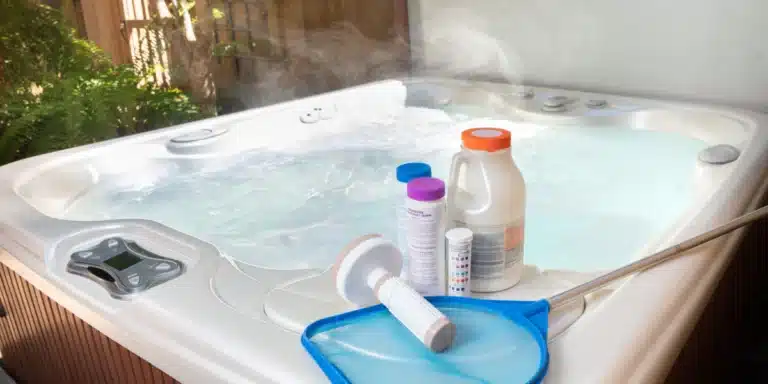
Regular water testing, filter cleaning, and surface wiping preserve water quality and prolong equipment life. Monthly deep cleans, combined with weekly chemical checks, prevent buildup, scum lines, and early wear of pumps and jets.
When to Seek Professional Help
Persistent cloudy water, foam, or unusual odors may indicate a chemical imbalance or clogged systems. Issues with jets, pumps, or heaters that do not resolve with routine maintenance require professional attention. Certified technicians can clean, inspect, and repair equipment while ensuring spa-safe water conditions.
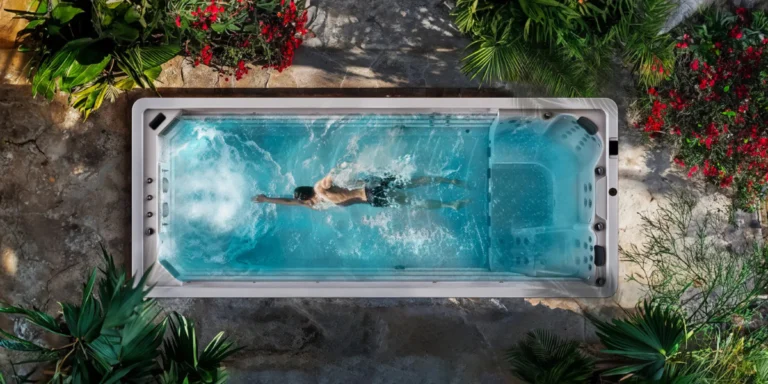
Improve your wellness routine with professional advice and explore options at Colorado Springs Hot Tubs, such as Hydropool Aquatic Collection Swim Spas, to complement your backyard retreat.
Additional Tips for a Safe Hot Tub Experience
- Avoid Jewelry or Accessories: Metals and plastics can react with chemicals, leaving stains or scratches.
- Monitor Water Temperature: Excessive heat amplifies chemical reactions. Keep water within safe ranges.
- Drain Periodically: Even with careful use, water should be replaced according to the manufacturer’s recommendation to prevent buildup.
- Use Spa Covers: Protect water from debris and airborne chemicals when the hot tub is not in use.
Conclusion
Avoiding harmful bath products guarantees water clarity, protects your hot tub, and extends equipment life. Routine cleaning, proper water testing, and spa-specific additives reduce maintenance stress while maintaining a relaxing experience. Educating family and guests prevents accidental misuse and costly repairs. Treat your hot tub as a specialized spa system, not a bathtub, to maximize enjoyment and longevity.
Colorado Springs Hot Tubs provides a vast catalog of Fantasy Sport Series. You can find the perfect one for your needs, a safe, relaxing spa environment.