
So much about today’s backyard spas can be traced back through centuries of human fondness for warm water and social soakings. Understanding the hot tub history and its evolution across cultures gives a richer appreciation for these relaxing installations.
Early Origins and Warm-Water Rituals
· Ancient Civilizations and Natural Hot Springs
Early humans used warm springs and carved tubs for bathing, healing, and social rituals, laying the foundation for the hot tub origin.
· Roman and Japanese Bathing Practices
Romans built large public bathhouses for hygiene and social interaction, while Japanese wooden tubs emphasized family bonding and ritual soaking.
Cultural Adoption and Adaptation
In Japan, the soaking tradition of the onsen and wooden tubs continued for centuries. The earliest documentation of an onsen dates to the mid-seventh century. These practices show that the origin of hot tubs spans multiple continents and cultures, anchored in community, ritual, and wellness.
Over time, these soaking practices shifted from public bathing halls to more private settings and personal tubs. As craftsmanship, materials, and technology improved, the idea of a home spa became viable.
Modern Hot Tub Development
· Invention of the Home Whirlpool Bath
The modern hot tub emerged in the 1960s, with the Jacuzzi family developing integrated whirlpool systems, marking a key point in the invention of the hot tub.
· Materials, Technology, and Backyard Wellness
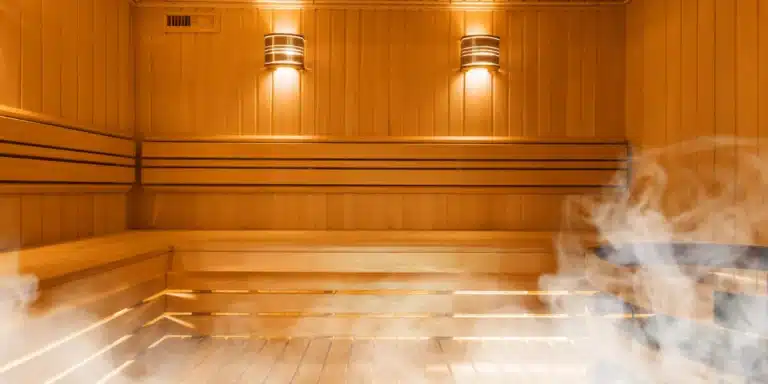
Home tubs evolved from wood to acrylic shells, adding jets, filtration, and digital controls. Pairing it with different saunas enhances wellness and relaxation.
Evolution Through Materials and Technologies
At first, hot-water soaking meant natural springs or handcrafted wooden tubs. With time, concrete, tile, and plumbing arrived in Roman baths. In more recent decades, home hot tubs transitioned from wood or fiberglass shells to acrylic and reinforced materials with digital controls, jets, lighting, and advanced filtration.
Installation conditions changed, too. Home backyard tubs emerged, making private spa time possible. Outdoor tubs became popular, and features once reserved for public bathhouses came home. Homeowners who are looking for outdoor saunas for sale from us are the ones who wish to create a complete and relaxing backyard experience.
Social and Wellness Dimensions Across History
Across eras, warm-water tubs weren’t just about hygiene. They were community hubs, meeting places, and venues for healing. The Romans used their baths for politics and business as much as bathing. Japanese traditions treated soaking as a ritual and family bonding. Thus, the modern hot tub is in many ways a continuation of human patterns of gathering, soothing muscle and mind, and spending shared time.
Backyard Hot Tubs in American Culture
In the United States, the home hot tub became more common in the late twentieth century. With improved materials, lower costs, and better insulation, a personal hot tub became accessible. The design changed from indoor built-in tubs to outdoor portable versions. The modern hot tub often offers features like filtration systems, jets, mood lighting, and more — major shifts from early models.
Why This History Matters for Today
When thinking about the modern hot tub, you are participating in a long lineage of human enjoyment of warm water, comfort, and gathering. From ancient rituals to modern comfort, the journey has shaped preferences, design, and social expectations. Understanding its history, the question of when the hot tub was invented, and who invented the hot tub, offers a perspective on why these units have become such valued parts of home relaxation.
The story also reminds homeowners that a tub is more than an appliance. It is part of a cultural tradition of wellness and community. This adds meaning to the investment and helps guide choices about installation, material, design, and usage patterns.
Tips for Making Smart Use of a Hot Tub
When adding a hot tub to a backyard, consider space, insulation, drainage, and climate. Outdoor placement adds exposure to weather and debris. Pairing a hot tub with complementary amenities can enhance the experience. For example, if a home setup features both a hot tub and a sauna, it creates a full wellness environment. Another good option for part of the backyard spa plan is searching for quality refurbished hot tubs for sale; these can offer value while still linking to the long tradition of warm-water soaking.
Use the history as a guide for product selection. Choose materials with durability, installation by qualified professionals, and features that reflect how long such structures have been used for comfort and health.
Social and Wellness Benefits of Hot Tubs
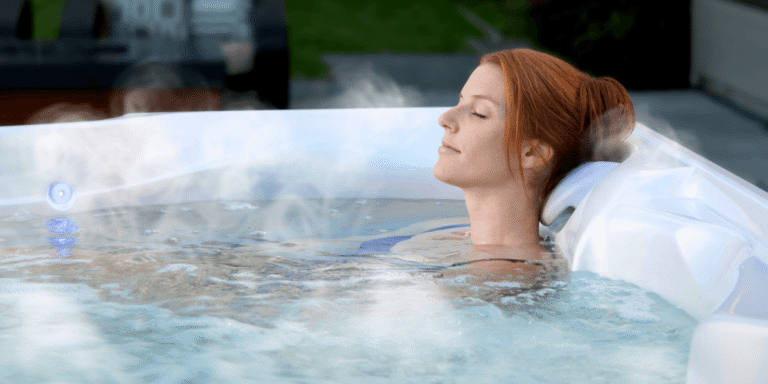
Throughout history, hot tubs have served as more than just bathing spaces. They have been hubs for social interaction, relaxation, and wellness. Warm water helps soothe muscles, reduce stress, and promote circulation, while communal soaking encourages conversation and bonding. Modern hot tubs continue this tradition, offering features like massage jets, ergonomic seating, and temperature control to enhance comfort. By combining these benefits, a backyard spa can serve as both a personal retreat and a gathering spot for friends and family.
Choosing and Maintaining a Hot Tub Today
Selecting a modern hot tub involves considering materials, size, and features to match lifestyle and backyard space. Proper maintenance is essential to ensure longevity, including regular water testing, cleaning filters, and balancing chemicals. Outdoor placement requires attention to weather protection and debris management. Some homeowners also consider value options like refurbished hot tubs, which provide quality while reducing cost. Following these steps ensures the tub remains safe, comfortable, and inviting, continuing a tradition of enjoyment that stretches back through centuries of soaking rituals.
FAQS
· When did people first start using hot water for bathing?
Ancient civilizations, including the Egyptians and the Romans, used natural springs and carved tubs for bathing and relaxation thousands of years ago.
· How did Romans use their public bathhouses?
Romans treated bathhouses as social centers for conversation, business, politics, and wellness, combining hot, warm, and cold bathing areas.
· What was the purpose of Japanese soaking tubs?
Japanese wooden tubs emphasized ritual, family bonding, and relaxation, often in private or communal settings.
· Who developed the first modern whirlpool bath?
The Jacuzzi family created integrated whirlpool systems for home use in the 1960s.
· How have hot tubs evolved over time?
They progressed from wooden and stone tubs to acrylic shells with jets, filtration systems, lighting, and digital controls.
· Why are hot tubs considered wellness tools?
Warm water helps relax muscles, improve circulation, reduce stress, and provide a comforting environment for socializing.
· What features make backyard tubs more enjoyable today?
Ergonomic seating, adjustable jets, lighting, temperature control, and combinations with saunas or other wellness amenities enhance the experience.
· Are refurbished tubs a good option for home use?
Yes. Refurbished tubs can provide quality, safety, and modern features at a lower cost, while still delivering comfort and durability.
Conclusion
The modern hot tub is a convergence of ancient tradition and recent innovation. By tracing the hot tub origin from natural springs and public bathhouses to backyard tubs and jets, you see how culture, technology, and wellness have come together. When you warm your water, sit back and let the jets massage your muscles, you are carrying on a ritual that spans time and geography. Appreciating this adds richness to the experience and helps inform better choices in design, care, and use.
If your goal is to upgrade your hot tub, let Colorado Springs Hot Tubs assist with expert support, quality installation, and products that reflect this tradition of comfort!