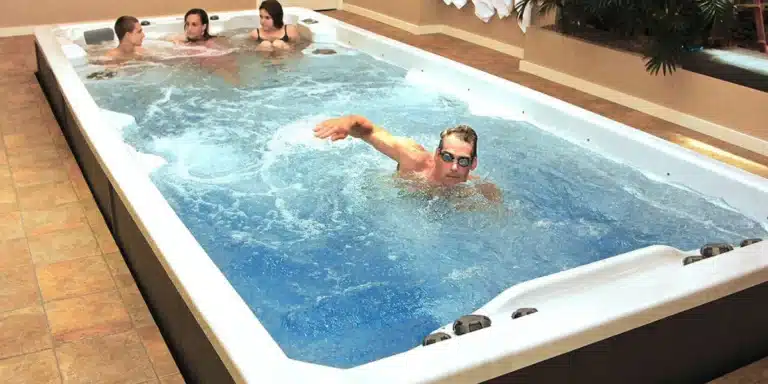

At first glance, the in-ground vs above-ground hot tub debate looks like a simple matter of aesthetics: one sits flush with the ground, the other sits above it. But when you dig into the actual differences in cost, installation complexity, maintenance demands, and long-term practicality, it becomes clear that these are two very different products with two very different ownership experiences.
If you are in the planning stages of adding a hot tub to your Colorado home, understanding what you are actually choosing between is worth your time. This guide breaks it all down so you can make the decision with full information, and not discover expensive surprises after the concrete is poured.
What Is an In-Ground Hot Tub?
An in-ground hot tub is built into the ground, either as a standalone unit or attached to a swimming pool. The structure is essentially a permanent part of your property, installed with excavation, concrete or gunite construction, custom plumbing routed underground, and a dedicated electrical connection. The result is a spa that sits at ground level and integrates visually with pool areas and landscaping.
That seamless, built-in look is genuinely attractive, and it is the primary reason people consider in-ground installations. But the reality of building, owning, and maintaining one is considerably more involved than that appealing visual suggests.
The Hidden Costs of In-Ground Hot Tubs
Installation Is Expensive and Complex
Installing an in-ground hot tub requires complex tasks, including excavation, which alone can cost between $400 and $2,500 depending on the size of the hot tub and the area that needs to be leveled. Professional installation adds between $1,000 and $6,000 on top of the price of the unit itself.
In total, an in-ground spa can cost anywhere from $15,000 to $20,000, compared to an average of around $4,000 for an above-ground spa. The gap between these two options is not marginal. It is substantial enough to determine whether other home improvements or upgrades are possible in the same budget cycle.
Permits, Inspections, and Timelines
Building an in-ground hot tub requires permits in most municipalities, land assessment, and inspection checkpoints throughout the construction process. In Colorado Springs, where soil conditions and elevation add complexity, this process can extend the timeline from weeks to several months, and you cannot simply buy a unit and soak in it the following weekend. You are committing to a construction project.
No Manufacturer Standardization
Unlike above-ground hot tubs, which are manufactured products with tested components, in-ground hot tubs are essentially custom-built structures. There is no standard insulation system, no manufacturer’s warranty on the structure itself, and no off-the-shelf parts for repairs. Every repair or renovation is a custom job.
Colorado Springs Hot Tubs specializes in above-ground hot tubs for sale that are built for performance, efficiency, and Colorado’s climate. Browse our full range to find the right fit!
The Ongoing Maintenance Problem
Access Is Everything
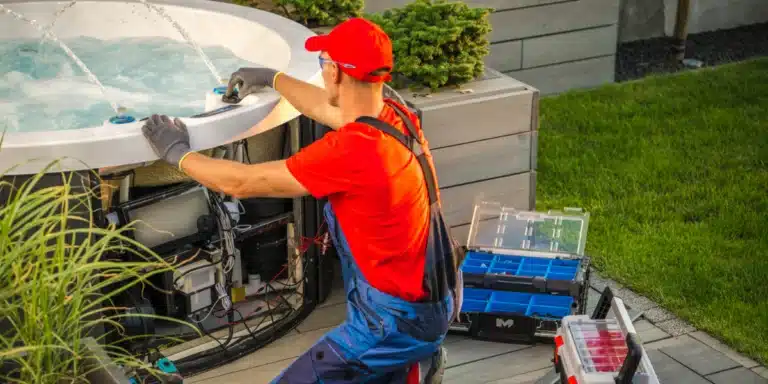
One of the most underappreciated challenges of in-ground spa vs hot tub ownership is maintenance access. Above-ground hot tubs are designed with service access in mind. Panels open to reach pumps, heaters, jets, and plumbing. With an in-ground installation, those same components are buried or enclosed in structural elements that may require significant work to access.
Above-ground hot tubs make maintenance easier because all parts of the spa are accessible for any future repairs. When a pump needs replacing on an above-ground tub, a technician opens a panel. When the same pump needs replacing on an in-ground installation, you may be looking at breaking through tile or concrete to reach it.
Heat Loss and Energy Costs
In contrast to above-ground hot tubs, in-ground models require preheating, which may take considerable time, especially since they are not constantly maintained at a temperature as efficiently as above-ground models. In Colorado’s cold climate, this inefficiency means significantly higher energy costs through the winter months, when you are most likely to want to use the spa regularly.
No Cover, No Protection
Most in-ground hot tubs do not come with a thermal cover system equivalent to what above-ground units use. During Colorado winters, this means greater heat loss, increased exposure to debris and weather, and higher ongoing energy and cleaning costs. Above-ground hot tubs include fitted thermal covers as standard, which protect the water, retain heat, and are easy to use every day.
Why Above-Ground Hot Tubs Are the Practical Choice
The contrast with above-ground hot tubs is striking across almost every practical category.
Immediate Enjoyment
Above-ground hot tubs can often be delivered and set up on the same day of purchase, allowing you to relax in them within hours. This is not an exaggeration. A quality above-ground hot tub can be delivered, positioned, connected to power, filled, and ready to soak the same day your installer arrives. That immediacy matters to people who are investing in their health and wellness today, not months from now after construction wraps.
Lower Total Cost, Purchase, and Ongoing
The cost advantage of above-ground models is significant both upfront and over time. An above-ground acrylic hot tub typically costs between $4,000 and $20,000, compared to the additional $15,000 or more required to install a hot tub in-ground. That cost difference allows buyers to invest in a premium above-ground model with superior insulation, advanced jets, and smart controls at the same or lower total spend than a basic in-ground installation.
Portability and Flexibility
If you move, you take the tub with you. If you want to reconfigure your backyard, the tub can be repositioned. If you decide to sell the hot tub, it can be moved out without leaving a crater in your yard. That flexibility has real financial and practical value over a 15 to 20-year ownership horizon.
Wide Range of Options
Above-ground hot tubs come in a wide range of sizes, designs, colors, jet options, and seating arrangements, offering customization to exact luxury specifications. You can choose the number of seats, the type and intensity of hydrotherapy jets, the control system, the insulation level, and the aesthetic finish. In-ground spas are built to the contractor’s specification; above-ground spas are built to yours.
Full Manufacturer Warranty
Above-ground hot tubs from reputable manufacturers come with comprehensive warranties covering the shell, plumbing, equipment, and surface finish. In-ground installations rarely come with equivalent protection. The warranty landscape for custom-built in-ground spas is fragmented between the builder, the equipment supplier, and the tile installer.
A Direct Comparison Between Both Types
| Factor | In-Ground Hot Tub | Above-Ground Hot Tub |
| Purchase and Install Cost | $15,000 to $30,000+ | $4,000 to $20,000 |
| Installation Time | Weeks to months | Same day to a few days |
| Maintenance Access | Difficult, often costly | Easy, designed for access |
| Energy Efficiency | Lower, especially in winter | Higher with insulation and cover |
| Portability | None, permanent structure | Movable if needed |
| Manufacturer Warranty | Limited or none for structure | Full warranty coverage |
| Customization | Custom-built to contractor spec | Wide manufacturer selection |
What About Aesthetics?
The one area where in-ground hot tubs hold a genuine advantage is visual integration. A sunken spa next to a pool does look cohesive and polished. But this is an aesthetic consideration, not a functional one. Above-ground hot tubs have come a long way in design quality. Premium cabinetry options in natural wood tones, neutral stone finishes, and custom lighting make modern above-ground hot tubs visually appealing additions to any outdoor space without the construction cost or permanence of going in-ground.
Frequently Asked Questions
What is the difference between in-ground and above-ground hot tubs?
In-ground hot tubs are permanent, custom-built structures requiring excavation, concrete, and custom plumbing, typically costing $15,000 to $30,000 or more. Above-ground hot tubs are manufactured products that are delivered, positioned on a solid base, and connected to power, costing $4,000 to $20,000 with much simpler installation and ongoing access.
Which type of hot tub is more affordable?
Above-ground hot tubs are significantly more affordable in both upfront cost and ongoing maintenance and energy costs. The gap between a quality above-ground model and an in-ground installation is often $10,000 or more when all costs are included.
Are in-ground hot tubs harder to install?
Yes, considerably so. They require excavation, structural work, underground plumbing, custom electrical work, and often tiling, all of which require multiple specialized contractors, permits, and a construction timeline measured in months rather than days.
Which hot tub option is easier to maintain?
Above-ground hot tubs are far easier to maintain because all components are accessible through side panels. In-ground installations often require significant disruption to access pumps, heaters, or plumbing for repairs.
Which is better for small backyards: in-ground or above-ground hot tubs?
Above-ground hot tubs work well in smaller spaces because they come in a variety of compact sizes and require no excavation, which preserves the surrounding yard. An in-ground installation in a small space requires full construction access during the build phase, and it permanently removes the flexibility to reconfigure that area later.
Conclusion
The in-ground hot tub vs above-ground comparison looks attractive to buyers drawn to that seamless aesthetic, but the practical reality of in-ground ownership, including the cost, the construction complexity, the maintenance challenges, the permanence, and the energy inefficiency, makes above-ground hot tubs the smarter choice for the overwhelming majority of homeowners. You get more choice, better warranty protection, immediate enjoyment, lower total costs, and a hot tub that can move with you if your life changes. That is a genuinely compelling package.
Colorado Springs Hot Tubs focuses on giving you the best possible above-ground hot tub experience with hot tubs in Colorado Springs that are built to perform in the cold climate. Connect with our team today to find exactly the right fit!