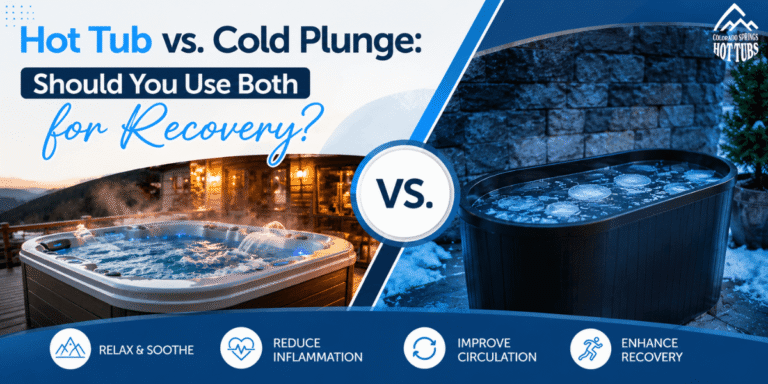
Athletes, fitness enthusiasts, and people managing physically demanding routines continue looking for practical ways to recover faster after exercise. Among the most talked-about methods are hot water therapy and cold water immersion. The discussion around hot tubs vs. cold plunges often focuses on which option is better, but research suggests that each serves a different purpose.
What Each Modality Does in the Body?
Before looking at how they compare, it helps to understand the distinct physiological effects of hot and cold water immersion.
-
Hot Water Immersion
Soaking in a hot tub at 100 to 104 degrees Fahrenheit causes vasodilation, the widening of blood vessels, which improves circulation, delivers oxygen and nutrients to fatigued muscle tissue, and reduces neuromuscular tension.
According to a 2014 review published in the North American Journal of Medical Sciences (PMC4049052), hydrotherapy stimulates nerve endings and increases endorphin production, reducing perceived muscle pain.
Hot water also activates the parasympathetic nervous system, which supports the body’s rest-and-recovery state, making it particularly effective for improving sleep and restoring the nervous system after intense training.
-
Cold Water Immersion
A cold plunge at 50 to 59 degrees Fahrenheit causes vasoconstriction, the narrowing of blood vessels, which reduces blood flow to inflamed tissue, limits swelling, and numbs acute pain.
A 2025 network meta-analysis published in Frontiers in Physiology found that cold-water immersion at 10-15 °C for 10-15 minutes significantly reduced creatine kinase levels, a key biomarker of muscle damage, after intense exercise.
Cold plunge use after workouts is particularly effective for reducing acute inflammation and preventing excessive swelling in the hours immediately following high-intensity effort.
Hot Tub vs. Cold Plunge: A Direct Comparison
| Factor | Hot Tub | Cold Plunge |
| Primary mechanism | Vasodilation, muscle relaxation | Vasoconstriction, inflammation control |
| Best for | Nervous system recovery, sleep, flexibility | Acute swelling, DOMS reduction, alertness |
| Timing post-workout | 30–60 min after intense exercise | Within 30–60 min after exercise |
| Water temperature | 100–104°F (38–40°C) | 50–59°F (10–15°C) |
| Duration | 15–20 minutes | 10–15 minutes |
| Evidence for DOMS | Strong (hot water improves isometric force) | Strong (reduces CK and perceived pain) |
How Does Hot Tub Therapy Help After Exercise?
Submerging in a hot tub after workout sessions can be beneficial when the body feels tense, stiff, or tired. Warm water helps muscles relax by increasing circulation and reducing tightness in joints and soft tissues.
Many people use hot tubs after strength training, mobility sessions, or evening workouts because heat creates a calming effect on the nervous system. Warm water can also make stretching movements more comfortable because muscles are more relaxed when exposed to moderate heat.
Heat therapy is often recommended during recovery periods when the primary goal is relaxation, flexibility, and reducing general muscle discomfort. It can be particularly helpful for people who experience stiffness after sitting for long periods or completing resistance-based workouts.
However, timing matters. Using intense heat immediately after very demanding exercise may not be suitable for everyone, especially after workouts that already increase body temperature significantly. Allowing heart rate and breathing to return to a more normal level before entering a hot tub is generally a safer approach.
Why People Use Cold Plunges After Workouts
A cold plunge after exercise has become popular among athletes because cold temperatures may help manage post-exercise soreness. Intense workouts create temporary stress on muscles, resulting in microscopic damage that triggers inflammation as part of the repair process.
Cold water immersion may reduce the perception of soreness by lowering tissue temperature and affecting pain signals. This is why professional athletes often use cold therapy after competitions, endurance events, and physically demanding training sessions.
A study published in the Cochrane Library reviewed research on cold water immersion and found that it may reduce muscle soreness after exercise, particularly following high-intensity activity.
Cold therapy can be useful after activities like:
- Long-distance running
- Competitive sports
- High-intensity interval training
- Heavy training sessions
However, cold exposure may not always be the best choice immediately after every workout. Some research suggests that frequent cold immersion immediately after strength training may affect muscle adaptation, as inflammation plays a role in muscle growth. People focused on increasing muscle size may prefer using cold therapy strategically rather than after every lifting session.
Take your recovery experience further by exploring our listings of cold plunge tubs for sale. Colorado Springs Hot Tubs features the best options designed for modern wellness needs, helping active individuals create a comfortable space for refreshing at-home therapy sessions.
Hot Tub vs Cold Plunge Benefits: Comparing Recovery Effects
| Recovery Goal | Hot Tub | Cold Plunge |
| Muscle relaxation | Strong benefit due to heat exposure | Limited effect |
| Post-workout soreness | Helps reduce stiffness | May reduce soreness perception |
| Circulation support | Increases blood flow | Creates temporary blood vessel narrowing |
| Flexibility | Helps loosen muscles | Less focused on mobility |
| Intense exercise recovery | Useful after the body cools down | Common after demanding workouts |
| Relaxation and stress relief | Strong benefit | May increase alertness |
Neither method replaces fundamentals like proper nutrition, hydration, sleep, and appropriate training. They work best as additional recovery tools.
What Is Contrast Therapy and Does It Work?
Contrast therapy combines both methods by alternating between warm and cold water exposure. This approach has been used by athletes for years because it combines the effects of both temperatures. During contrast therapy, warm water dilates blood vessels, while cold water constricts them. Researchers believe these repeated changes may influence circulation and help reduce feelings of muscle fatigue.
According to a systematic review examining the effects of Contrast Water Therapy (CWT) on recovery after exercise-induced muscle damage, researchers found that CWT may yield better recovery outcomes than passive recovery or rest alone. This supports the use of alternating hot and cold exposure as a recovery strategy after demanding workouts.
This research supports the idea that combining hot and cold therapy may offer greater recovery benefits than simply resting after intense exercise.
Research protocols and guidance from Ohio State University’s High Performance Center point to the following as a practical starting framework:
- Start with 3 to 4 minutes in the hot tub at 100 to 104°F
- Transfer to the cold plunge for 1 to 2 minutes at 50 to 59°F
- Repeat for 3 to 4 cycles totaling 15 to 20 minutes
- End on cold to help control residual inflammation
- Stay hydrated throughout; hot and cold exposure both cause fluid loss
Important Safety Tips Before Using Temperature Therapy
Hot tubs and cold plunges can be valuable additions to a recovery routine, but proper use is important for getting the benefits while reducing potential risks. Temperature changes can place stress on the body, so sessions should be approached with awareness, especially for people trying these therapies for the first time.
Before starting any hot or cold therapy routine, consider these safety practices:
- Keep sessions within recommended time limits to avoid excessive heat exposure or prolonged cold stress.
- Drink enough water before and after therapy to support proper hydration.
- Avoid using hot tubs or cold plunges after consuming alcohol, as it can affect the body’s response to temperature changes.
- Start cold plunge sessions gradually to allow the body to adjust to lower temperatures.
- Exit the water immediately if experiencing dizziness, chest discomfort, shortness of breath, or unusual discomfort.
- Follow the manufacturer’s guidelines for hot tub temperature settings and maintenance.
- Consult a healthcare professional before using extreme temperature therapy if managing heart conditions, circulation concerns, or other health issues.
Used correctly, hot and cold therapy can complement a balanced recovery routine without placing unnecessary stress on the body.
Frequently Asked Questions
-
What are the main differences between hot and cold therapy?
Hot therapy uses warm temperatures to increase circulation, relax muscles, and reduce stiffness. Cold therapy lowers tissue temperature, helps manage soreness, and may reduce swelling after intense exercise. Both methods support recovery but create different physical responses.
-
How does contrast therapy help muscle recovery?
Contrast therapy alternates between hot and cold exposure, causing repeated changes in blood vessel activity. Research suggests this process may improve circulation, reduce perceived soreness, and support short-term recovery after demanding workouts or athletic events.
-
When should you use a cold plunge after exercise?
A cold plunge after workout sessions is commonly used following intense training, competitions, and endurance activities, when soreness is expected. People focused on muscle growth may avoid frequent immediate cold exposure after strength workouts because inflammation contributes to adaptation.
-
How long should you alternate between hot and cold?
Many contrast therapy routines use several minutes of warm water followed by shorter cold exposure periods, repeated multiple times. The ideal duration varies based on fitness goals, comfort level, health conditions, and guidance from qualified professionals.
-
Can combining both methods improve recovery speed?
Combining hot and cold therapy may improve recovery perception and reduce muscle soreness after strenuous exercise. Research suggests contrast therapy can support short-term recovery, but results vary depending on training intensity, individual response, and overall recovery habits.
Final Thoughts
The recovery debate between a hot tub and a cold plunge need not end with a winner. Each tool is effective in its own right, and the evidence for using both in a deliberate contrast protocol is genuinely strong. For Colorado Springs athletes dealing with altitude, demanding terrain, and year-round outdoor activity, a home contrast therapy setup is a practical investment that supports consistent training and long-term physical health.
Create a personal recovery space that aligns with your fitness goals using quality hot tubs in Colorado Springs. We offer an extensive range from leading manufacturers, featuring soothing hydrotherapy features to help you relax after workouts, outdoor adventures, and physically demanding activities.