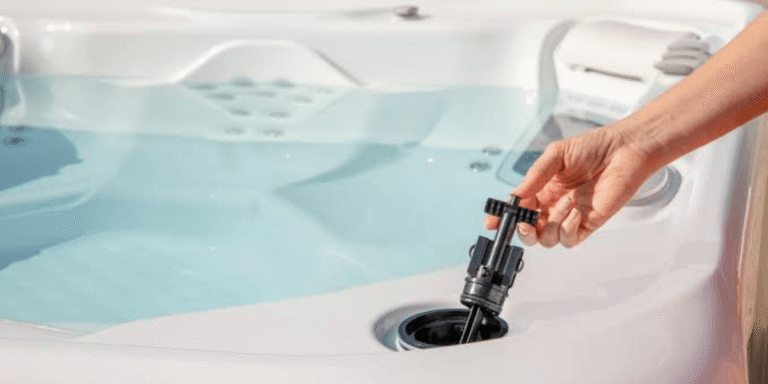

Arthritis affects millions of people worldwide, causing joint pain, stiffness, swelling, and reduced mobility. While medical treatments remain the foundation of arthritis management, many people look for additional ways to improve daily comfort and support joint health. Heat therapy is one of the most commonly used approaches because warmth can help relax muscles, improve mobility, and reduce feelings of stiffness.
The debate over hot tubs vs. saunas for arthritis often comes down to one question: which heat therapy option provides better relief? Both methods use heat, but they affect the body differently.
This guide compares both options, using clinical evidence to help you make an informed decision.
The Growing Need for Effective Arthritis Relief Strategies
Arthritis affects more than 54 million adults in the United States, according to the CDC’s Chronic Disease Indicators data. For Colorado residents, that number is especially relevant. Cold winters and high altitude can intensify joint stiffness and pain, making effective, daily management strategies critical for maintaining an active life.
Heat-based therapies are often considered a supportive option because they focus on improving comfort rather than treating the underlying cause of arthritis. The type of heat used can make a difference in the experience. While saunas provide dry heat that warms the body externally, hot tubs combine heat with water pressure and buoyancy, creating a different environment for joint support and mobility.
How Does Heat Therapy Support Arthritis Relief?
Heat therapy is one of the most well-established non-pharmacological treatments for arthritis. Its core mechanism is vasodilation: heat widens blood vessels, improves circulation to affected joints, and relaxes surrounding muscles. Heat may improve joint mobility by reducing stiffness and allowing synovial fluid to move more easily within the joint.
The Arthritis Foundation explicitly endorses warm water therapy as a complementary treatment, noting that it works wonders for a range of musculoskeletal complaints, including fibromyalgia, arthritis, and low back pain. Both hot tubs and saunas deliver heat, but through fundamentally different mechanisms that produce meaningfully different results for arthritic joints.
Is a Hot Tub Good for Arthritis: The Evidence
A hot tub combines three distinct therapeutic elements that a sauna cannot: heat, buoyancy, and hydromassage. This combination is why hydrotherapy for arthritis has the strongest and most consistent research backing of any heat-based approach for joint conditions.
-
Buoyancy: The Critical Advantage
When immersed in water to chest depth, effective body weight is reduced by approximately 75-90 percent. For someone with knee or hip arthritis, this mechanical offloading is immediate and significant. Movements that are painful on land become accessible in water, making gentle exercise and stretching possible even during high-pain days.
According to Medical News Today’s review of hot tub therapy for arthritis, research suggests that warm water therapy can reduce pain and improve physical function in people with knee, rheumatoid, and psoriatic arthritis. This three-condition endorsement is notable because few single interventions show benefit across arthritis subtypes.
-
Hydromassage and Inflammation
A 2025 study published in Springer found that inflammatory agents that cause arthritis pain and joint destruction decreased after three weeks of portable spa therapy. The combination of heat and jet pressure reduces muscle tension around affected joints and may directly reduce synovial inflammation when used consistently.
This research highlights how combining warm water and massage-like jet action present in a hot tub may support arthritis symptom management.
A 2018 study cited in Healthline found that spa therapy for rheumatoid arthritis showed promising results in reducing joint inflammation, swelling, and tenderness. Soaking for 15 to 20 minutes produces measurable reductions in joint discomfort and improvements in range of motion.
These findings support the role of warm water therapy as a complementary approach for arthritis relief. The combination of heat, buoyancy, and relaxation may help improve movement and reduce discomfort associated with stiff joints.
Does Sauna Help Joint Pain: The Evidence
Sauna therapy for arthritis has a meaningful and growing evidence base, though its mechanism of action differs from that of hydrotherapy. A sauna delivers dry ambient heat at 160 to 195 degrees Fahrenheit for traditional models, or lower for infrared units, without the buoyancy or jet pressure that a hot tub provides.
-
A Research-Based Approach to Arthritis Support
A 2025 review published in Rheumatology International found clinical evidence that sauna therapy alleviates pain, reduces stiffness, and improves mobility in patients with rheumatoid arthritis, ankylosing spondylitis, and osteoarthritis.
This research suggests that sauna therapy may offer supportive benefits for people managing arthritis symptoms. While it does not replace medical treatment, heat exposure may help improve comfort, reduce stiffness, and support easier movement.
-
Patient-Reported Benefits of Sauna Bathing for Joint Pain
Survey data on patients with rheumatoid disease published in the American Journal of Medicine found that 40 to 70 percent of participants reported that sauna bathing alleviated their pain and improved joint mobility. These are self-reported outcomes, but the consistency of the finding across multiple surveys is notable.
These findings show that many people with rheumatoid conditions experience noticeable comfort benefits through sauna use. Since results are self-reported, individual experiences may vary, but the research supports further interest in dry heat therapy.
How Does a Hot Tub Benefit Joint Pain?
A hot tub combines heat, buoyancy, and gentle water pressure, creating an environment that may help improve comfort during movement. Some potential benefits of using a hot tub for joint pain include:
- Helps relax tight muscles around painful joints and reduces feelings of stiffness.
- Supports gentle movement by reducing pressure on joints through water buoyancy.
- May improve flexibility and make stretching exercises feel more comfortable.
- Provides soothing warmth that can promote relaxation and reduce muscle tension.
- Supports hydrotherapy routines that promote low-impact movement to improve mobility.
- May improve overall comfort after daily activities or physical exercise.
Discover the comfort of premium hot tubs in Colorado Springs with Colorado Springs Hot Tubs. Our selection of spa solutions brings soothing hydrotherapy, relaxation, and wellness benefits to your backyard, helping you create a personal retreat for recovery and everyday enjoyment.
Exploring Sauna Benefits for Arthritis and Joint Stiffness
Sauna therapy uses dry heat to warm the body and promote relaxation. The increased temperature may help loosen muscles, improve circulation, and create a calming effect that supports comfort. Some potential benefits of sauna use for arthritis include:
- Helps reduce feelings of stiffness by warming muscles and connective tissues.
- May support relaxation and comfort after physically demanding activities.
- Can promote circulation, which may help improve feelings of mobility.
- Provides a calming environment that may help reduce stress.
- May help some people experience temporary relief from joint discomfort.
- Offers a dry-heat option for individuals who prefer sauna environments to water-based therapy.
Hot Tub vs Sauna for Arthritis: At a Glance
| Feature | Hot Tub | Sauna |
| Type of heat | Moist heat through warm water | Dry heat through heated air |
| Joint support | Provides buoyancy and reduces pressure | Does not support body weight |
| Mobility benefits | Allows gentle movement and stretching | Mainly supports relaxation |
| Muscle relaxation | Strong benefit through warm water immersion | Supports relaxation through heat |
| Arthritis research | More evidence through hydrotherapy | Limited arthritis-specific research |
| Best suited for | Joint stiffness, mobility support, relaxation | General relaxation and heat exposure |
For many people with arthritis, the added support of warm water makes hot tubs a more practical choice for daily symptom management
Safety Considerations Before Using Heat Therapy
Heat therapy is generally well tolerated by many people, but certain precautions are important.
- Avoid excessive heat exposure and pay attention to signs of discomfort.
- Staying hydrated is also important, especially during longer sessions or warmer environments.
- People should seek medical advice before using hot tubs or saunas if they have conditions affected by heat exposure, including certain heart conditions or blood pressure concerns.
- Used appropriately, heat therapy can complement arthritis management alongside medication, exercise, physical therapy, and healthy lifestyle habits.
Frequently Asked Questions
-
How does heat therapy help reduce joint pain?
Heat therapy increases circulation, relaxes surrounding muscles, and reduces stiffness around painful joints. Warm temperatures may improve flexibility and make movement more comfortable. While heat does not treat arthritis itself, it can provide temporary relief and support daily mobility.
-
Which option provides better relief for stiff joints?
A hot tub may provide better relief for stiff joints because it combines warmth with buoyancy and gentle movement. Water support reduces pressure on joints, allowing easier stretching and mobility. Saunas mainly provide heat exposure without the added benefits of water-based support.
-
Is moist heat more effective than dry heat for arthritis?
Moist heat may offer additional benefits for some people with arthritis because warm water surrounds joints and supports movement. However, individual responses vary. Both moist and dry heat can provide temporary comfort by relaxing muscles and reducing stiffness.
-
How often should heat therapy be used for arthritis pain?
The frequency of heat therapy depends on symptoms, comfort level, and medical advice. Many people use warm water therapy several times weekly or during periods of increased stiffness. Short, consistent sessions are generally preferred over prolonged heat exposure.
-
Are there any risks of using heat therapy for joint conditions?
Heat therapy is usually safe when used properly, but excessive exposure may cause dehydration, dizziness, or overheating. People with heart conditions, blood pressure concerns, or other health issues should consult a healthcare professional before using hot tubs or saunas.
Bottom Line
Heat therapies may support relaxation and temporary symptom relief, but they work differently. Hot tub therapy may be more suitable for people who value joint support, gentle movement, and buoyancy. Sauna therapy may appeal to those who prefer dry heat and relaxation. The best option depends on symptoms, preferences, and medical considerations.
For Colorado Springs residents dealing with winter-worsened arthritis, a hot tub offers the additional advantage of being usable year-round in any weather, outdoors with a good insulated cover, without requiring a separate indoor installation.
As experienced hot tub dealers in Colorado Springs, our team can help you choose a model with the right jet placement and temperature range for arthritis management. Upgrade your outdoor living space with Colorado Springs Hot Tubs.