Some people love sinking into warm water after a long day. Others prefer sitting in dry heat and letting stress melt away. Both options have passionate supporters, and both offer impressive wellness benefits. That often raises one question: when comparing a hot tub and a sauna, which one truly comes out ahead?
The answer depends on personal goals. Comfort, recovery, relaxation, social enjoyment, and long-term wellness all play a role. While hot tubs and saunas share some similarities, they create very different experiences. Understanding those differences can help determine which option makes the most sense for a home, lifestyle, and wellness routine.
Understanding the Core Difference: Hot Tub vs Sauna
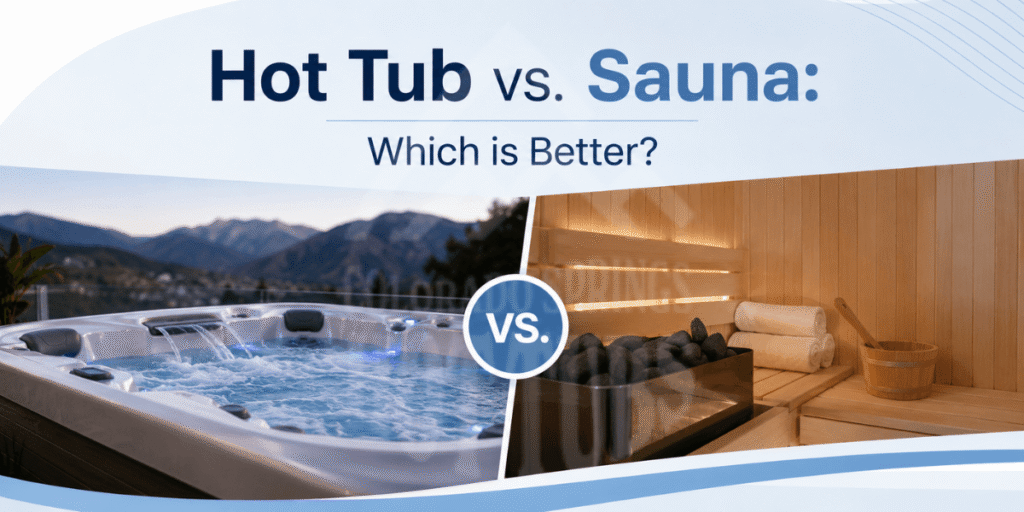
The comparison starts with one simple distinction. A hot tub uses heated water to surround the body, while a sauna uses heated air. Both create warmth and relaxation, but the way that heat affects the body is quite different.
What Is a Hot Tub?
A hot tub is a self-contained spa filled with heated water, usually maintained between 100°F and 104°F. Modern models often include hydrotherapy jets that massage muscles and joints while providing buoyancy that reduces pressure on the body.
Many homeowners enjoy hot tubs because they combine relaxation, comfort, and social interaction in one space. Friends and family can gather, unwind, and enjoy the therapeutic effects of warm water together.
What Is a Sauna?
A sauna is an enclosed room designed to generate high temperatures through dry heat or steam. Traditional saunas often operate between 150°F and 195°F, while infrared saunas use lower temperatures and radiant heat.
The primary goal of a sauna is to raise body temperature through heated air. Users typically sit quietly during sessions lasting 10 to 30 minutes, depending on comfort and experience level.
Hot Tub Benefits vs Sauna Benefits: What You Will Get From Them
When evaluating the benefits, it helps to focus on how each option affects recovery, relaxation, circulation, and overall wellness. While both promote relaxation, their advantages are not identical.
-
Muscle Recovery and Pain Relief
One of the biggest advantages of hot tubs is hydrotherapy. Warm water combined with targeted jets can help reduce muscle tension and ease soreness after exercise.
Research published in the U.S. National Library of Medicine has shown that warm-water immersion may support recovery by improving circulation and reducing muscle stiffness. The buoyancy of water also reduces joint stress, making hot tubs popular among people with arthritis and chronic discomfort.
Saunas can also aid recovery by increasing blood flow and promoting muscle relaxation. However, they do not provide the direct massage effect that hydrotherapy jets offer. For many athletes considering a hot tub or sauna for recovery, the massage component often gives hot tubs an edge.
-
Cardiovascular Benefits
Both hot tubs and saunas create mild cardiovascular responses. According to research published in Mayo Clinic Proceedings, sauna use may improve cardiovascular health by increasing heart rate and promoting circulation, similar to the effects of moderate physical activity.
Hot tubs can also increase circulation through heat exposure. Some studies, such as one published in Physiological Reports, suggest warm water immersion may contribute to healthy blood vessel function and improved blood flow.
While both options support circulation, sauna research currently has a larger body of evidence connected to cardiovascular outcomes.
-
Stress Reduction and Mental Wellness
Relaxation remains one of the strongest reasons people invest in wellness equipment. A hot tub offers a multisensory experience. Warm water, gentle jet massage, and comfortable seating help create a calming environment that encourages stress relief.
Saunas promote relaxation through heat exposure and quiet reflection. Many users appreciate the peaceful atmosphere and meditative nature of sauna sessions. A study published on ScienceDirect found that regular sauna users reported improvements in well-being and relaxation.
-
Sleep Quality
Quality sleep affects nearly every aspect of health. Hot tubs may support better sleep because body temperature naturally drops after exiting warm water, signaling the body that it is time to rest.
The National Sleep Foundation notes that a warm bath or hot water soak before bedtime may improve sleep quality and shorten the time to fall asleep.
Saunas can produce similar effects through heat exposure, though many people find the transition from hot water to bed especially soothing.
-
Social Experience
This is one area where hot tubs often stand apart. A sauna session is generally quiet and personal. While multiple people can use a sauna together, conversations are usually limited due to the high temperatures.
Hot tubs naturally encourage interaction. Family gatherings, evenings with friends, and outdoor entertainment often revolve around a spa. For homeowners seeking both wellness and recreation, a hot tub often offers greater versatility.
A Caldera Spas hot tub takes that social experience even further, creating a comfortable space for conversation, connection, and hydrotherapy all in one place. Discover the collection at Colorado Springs Hot Tubs and enjoy advanced features, beautiful styling, and the relaxation of warm water therapy.
-
Accessibility and Comfort
Many people find hot tubs easier to tolerate than traditional saunas. Sitting in water heated to around 102°F feels comfortable for extended periods. By comparison, temperatures inside a traditional sauna can feel intense, particularly for beginners.
Sauna vs Hot Tub: The Comparison at a Glance
| Feature | Hot Tub | Sauna |
|---|---|---|
| Heat Source | Heated water | Heated air |
| Typical Temperature | 100°F to 104°F | 150°F to 195°F |
| Hydrotherapy Jets | Yes | No |
| Muscle Massage | Direct jet massage | Heat only |
| Joint Relief | Excellent due to buoyancy | Moderate |
| Cardiovascular Benefits | Good circulation support | Strong research support |
| Social Experience | High | Moderate |
| Relaxation | Excellent | Excellent |
| Sleep Support | Very effective | Effective |
| Installation | Requires water and electrical setup | Requires a dedicated sauna space |
| Year-Round Outdoor Use | Excellent | Depends on design |
| Family Entertainment | High | Lower |
Hot Tub or Sauna for Recovery: Choosing the Right Option for Your Needs
Recovery looks different for everyone, which is why the choice between a hot tub or sauna for recovery often comes down to personal preference and wellness goals. Hot tubs use warm water and hydrotherapy jets to soothe sore muscles and support relaxation, while saunas rely on heated air to promote circulation and relieve tension.
Both can play a valuable role in a recovery routine, but individuals looking for muscle massage, joint comfort, and full-body relaxation often find that a hot tub offers a more complete recovery experience.
Which Is Better: a Hot Tub or a Sauna?
The debate does not have a universal answer. The better option depends on what matters most. If recovery, relaxation, and entertainment are priorities, a hot tub often provides the most complete experience. If intense heat exposure and cardiovascular wellness are the primary goals, a sauna may be more appealing.
Choose a hot tub:
- If regular muscle soreness is a concern.
- If family gatherings and social use are important.
- If joint comfort and hydrotherapy are priorities.
Choose a sauna:
- If a dry heat environment feels more comfortable.
- If shorter wellness sessions fit the daily routine.
- If cardiovascular-focused heat therapy is the main objective.
Choose both if space and budget allow, since many homeowners enjoy combining hydrotherapy with sauna sessions.
When comparing the two options, many people ultimately choose a hot tub because it serves multiple purposes. It provides relaxation, entertainment, recovery support, and therapeutic benefits in a single backyard feature.
FAQs
-
What are the main differences between a hot tub and a sauna?
A hot tub uses heated water and hydrotherapy jets to relax muscles and support recovery. A sauna uses heated air to raise body temperature. The experience, comfort level, and therapeutic effects differ significantly between the two.
-
Is a hot tub better than a sauna for muscle recovery?
Many people find hot tubs more effective for muscle recovery because warm water and massage jets help reduce tension, improve circulation, and ease soreness. Saunas support recovery through heat exposure but do not provide hydrotherapy benefits.
-
Which is better for relaxation, a hot tub or a sauna?
Both can be highly relaxing. Hot tubs provide soothing water immersion and massage, while saunas create a quiet heat-focused environment. Personal comfort preferences often determine which option feels more relaxing.
-
Do hot tubs and saunas offer similar health benefits?
They share some benefits, including improved circulation, relaxation, and stress reduction. However, hot tubs add hydrotherapy and buoyancy benefits, while saunas have stronger research supporting cardiovascular health and heat adaptation.
-
How do I choose between a hot tub and a sauna?
Consider wellness goals, available space, budget, and lifestyle preferences. A hot tub is often ideal for recovery, relaxation, and social use. A sauna may be better suited for people who prefer dry heat and shorter sessions.
Bottom Line
Both options can play an important role in a wellness routine. One offers soothing water, massage, and social enjoyment, while the other delivers powerful heat therapy in a quiet setting. The best choice comes down to personal preferences, recovery needs, available space, and how the feature will be used throughout the year. Selecting the right option creates a long-term investment in comfort, relaxation, and overall well-being.
Bring resort-style comfort home with a Caldera Utopia hot tub. Browse the range at Colorado Springs Hot Tubs, which offers stunning Utopia models designed for deep massage, effortless maintenance, and year-round enjoyment.