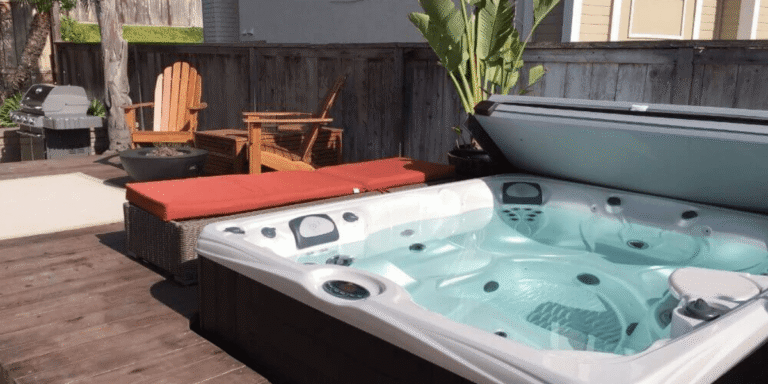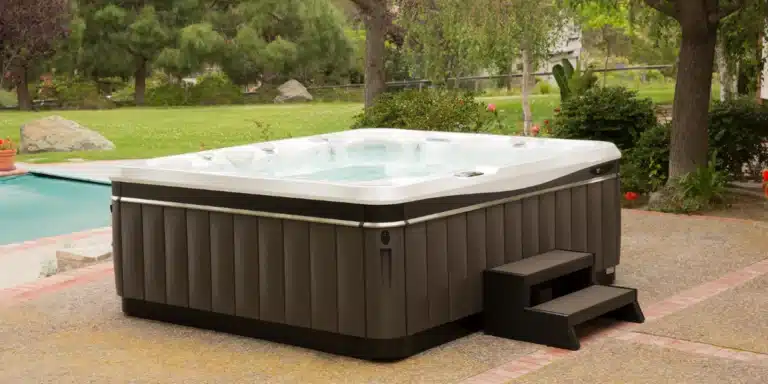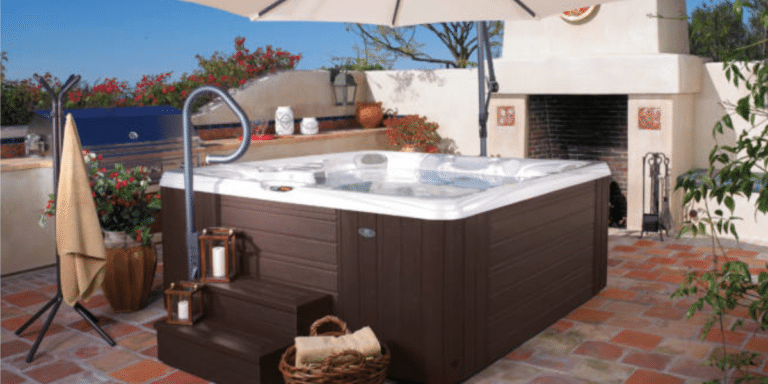

Owning a hot tub can transform your backyard or home wellness space into a sanctuary. It provides relaxation, social enjoyment, and therapeutic benefits while offering a touch of everyday luxury. However, it comes with costs, maintenance responsibilities, and space requirements that must be considered. Understanding hot tub ownership helps potential buyers weigh benefits against challenges, plan budgets effectively, and determine long-term satisfaction.
This guide examines hot tubs’ pros and cons along with the key considerations for making a well-informed investment that matches lifestyle and practical needs.
Benefits of Hot Tub Ownership
Relaxation and Stress Relief
Hot tubs offer a unique way to reduce stress. Warm water and soothing jets ease muscle tension, support joint comfort, and promote mental calm. Hydrotherapy encourages relaxation after long workdays, improves sleep quality, and contributes to overall wellness. Owners quickly notice how soaking for just 15 to 20 minutes daily can reset the body and mind, making a hot tub a personal retreat at home.
Social and Entertainment Value
Hot tubs double as a social hub. Families, friends, or romantic partners can enjoy time together in a private setting. Indoor or outdoor placement allows flexibility in hosting gatherings, while seasonal use keeps entertainment options open year-round. Many homeowners find that a hot tub elevates backyard appeal and encourages meaningful interactions, making leisure more intentional and enjoyable.
Health and Wellness Advantages
Regular spa use can improve circulation, support mild cardiovascular activity, and provide relief for minor aches and stiffness. Hydrotherapy sessions are particularly beneficial for arthritis, sore muscles, and recovery from light exercise. Even brief immersion promotes blood flow, reduces tension, and contributes to mental well-being. Incorporating consistent use into a wellness routine maximizes these benefits.
Year-Round Use
Modern hot tubs are designed for year-round enjoyment. Insulation, thick covers, and energy-efficient heaters ensure comfortable water temperatures regardless of outdoor conditions. This consistency allows owners to use the tub daily without worrying about seasonal fluctuations. Year-round usability turns a hot tub into a reliable source of relaxation, social engagement, and health support.
Disadvantages of Hot Tubs
Energy and Operating Costs
Energy consumption is one of the highest ongoing costs. Maintaining heated water requires constant electricity, especially during cold months. Standard hot tubs may consume 3 to 6 kWh daily, while high-efficiency models reduce usage to 2.7 to 3.2 kWh. Monthly bills can range between $20 to $100, depending on insulation, water volume, and frequency of use. Knowing how much electricity a hot tub uses helps owners budget realistically.
Maintenance and Cleaning
Hot tubs demand consistent care. Water chemistry requires regular testing, filters require routine cleaning (often every few weeks), and chemical levels must be balanced to prevent bacteria or buildup. Neglect can lead to cloudy water, unpleasant odors, or damage to heaters, jets, and plumbing. Weekly upkeep ensures safe, comfortable use while extending equipment life and maintaining water quality.
Space and Installation Requirements
Placement requires thoughtful planning. Indoor installations need adequate ventilation to prevent moisture buildup, while outdoor setups demand level ground, proper drainage, and potentially permits. Electrical access (typically 220V) must be reliable. Limited space can restrict model selection, while improper installation may reduce safety and efficiency.
Initial Investment
Hot tubs require a substantial upfront cost, ranging from $4,000 for entry-level models to $29,000 for luxury units. Energy-efficient and high-end tubs may cost more initially but save money over time through lower operating costs. Considering long-term savings against upfront expenditure is crucial when evaluating whether the pros and cons of a hot tub align with personal priorities.
Key Considerations Before Buying
Size and Capacity
Choosing the right size depends on the number of users and available space. Larger tubs with higher water volume require more energy to heat and maintain, increasing operating costs. Smaller tubs consume less electricity but may limit social or therapeutic use. Understanding how water volume affects maintenance and heating helps determine both budget and lifestyle compatibility.
Heating and Energy Efficiency
Heaters drive the largest portion of energy costs. Standard heaters work harder and use more electricity, whereas high-efficiency and hybrid systems maintain water at set temperatures with lower consumption. Insulation and covers significantly reduce heat loss, enhancing energy efficiency. Knowing how much power a hot tub uses guides choices that balance comfort and electricity bills.
Placement and Site Preparation
Assessing indoor vs. outdoor placement ensures safety, accessibility, and convenience. Proper drainage, stable foundation, and electrical setup are essential. Homeowners should also consider privacy and ease of refilling. Municipal or HOA regulations may affect installation, so confirming compliance avoids unexpected hurdles.
Maintenance Commitment
Owning a hot tub is a hands-on responsibility. Routine chemical checks, filter cleaning, and periodic water changes maintain water clarity and equipment efficiency. Skipping maintenance increases wear on heaters, pumps, and plumbing. Understanding this commitment helps answer the common question, “Will I regret buying a hot tub?” for those weighing purchase decisions.
Health and Safety
Safety considerations include proper grounding, GFCI protection, and routine sanitation. Hot tub water should be safe for all users, including children, the elderly, and pets. Following recommended usage guidelines prevents accidents and ensures a healthy experience over time.
Making a Smart Investment
Comparing Models and Features
When comparing hot tubs, evaluate jet layouts, hydrotherapy options, insulation, and control systems. Energy-efficient models often cost more upfront but reduce monthly electricity bills and maintenance needs. Smart investment decisions align features with lifestyle, space, and long-term operating cost expectations.
Budgeting for Ownership
Purchasing a hot tub extends beyond the initial price. Factor in electricity bills, chemical costs, filter replacements, and potential repairs. Using estimates for how much energy a hot tub uses helps prepare for monthly expenses, while understanding hidden costs prevents budget surprises.
We offer a wide selection of high-quality spa products, including options for homeowners seeking cost-effective solutions. For those looking to save while still enjoying premium features, check out our collection of used hot tubs in Colorado Springs.
Final Thoughts
Owning a hot tub provides relaxation, social enjoyment, and health benefits, but it also requires financial investment, regular upkeep, and careful planning. The pros and cons of a hot tub should be weighed carefully, considering energy costs, space, and long-term maintenance. By understanding operating expenses, following maintenance routines, and choosing high-quality, insulated models, homeowners can enjoy consistent comfort without high costs.
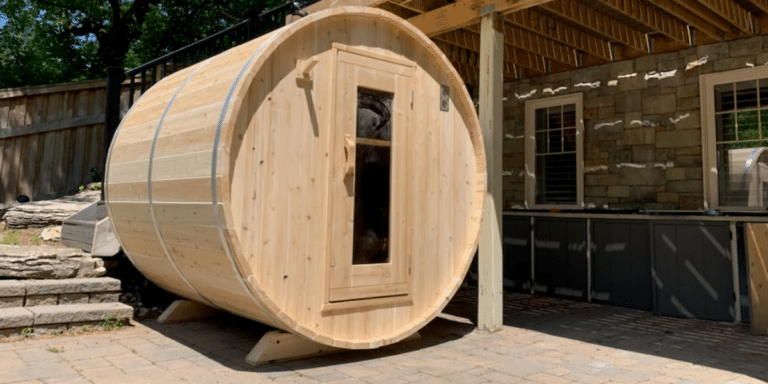
At our website, customers can find wellness equipment designed to enhance relaxation and health routines. One standout offering is our infrared sauna in Colorado Springs, perfect for year-round heat therapy and rejuvenation at home.