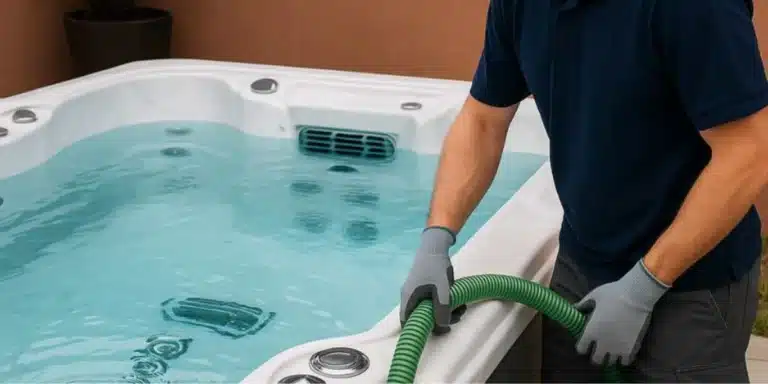

Owning a hot tub brings comfort and relaxation into your daily routine, yet knowing how to use it properly ensures that comfort remains safe, clean, and consistent. When you understand the correct process, you protect your investment while also protecting your health. A hot tub is more than warm water with jets; it is a carefully engineered system that depends on balanced chemistry, controlled temperature, and responsible usage. Because heat affects the body quickly and water conditions change regularly, following a structured approach prevents avoidable problems.
In this guide, you will learn how to use hot tub features correctly, how to prepare before stepping in, how to soak safely, and how to maintain your spa afterward so it performs efficiently for years.
Step 1: Check Water Chemistry Before Every Use
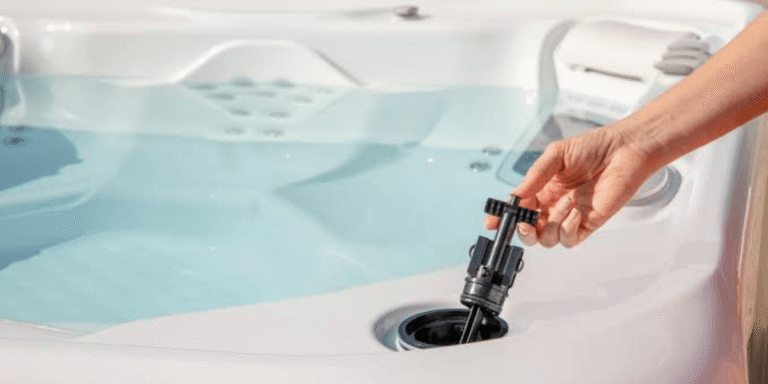
Before getting into the hot tub, testing the water should become your first habit because balanced water creates a safe soaking environment while protecting internal components. Use a liquid test kit to measure pH, total alkalinity, and sanitizer levels, as these three factors work together to maintain overall water balance and stability. Most manufacturers outline ideal ranges inside the hot tub manual, and reviewing those recommendations helps prevent guesswork.
In general, pH should remain between 7.2 and 7.8, total alkalinity should sit between 80 and 120 ppm, and sanitizer levels must align with chlorine or bromine guidelines listed in your hot tub instruction manual. If levels drift outside the recommended range, adjust them before entering because soaking in unbalanced water can cause irritation and strain your filtration system.
Step 2: Inspect The Hot Tub and Surrounding Area
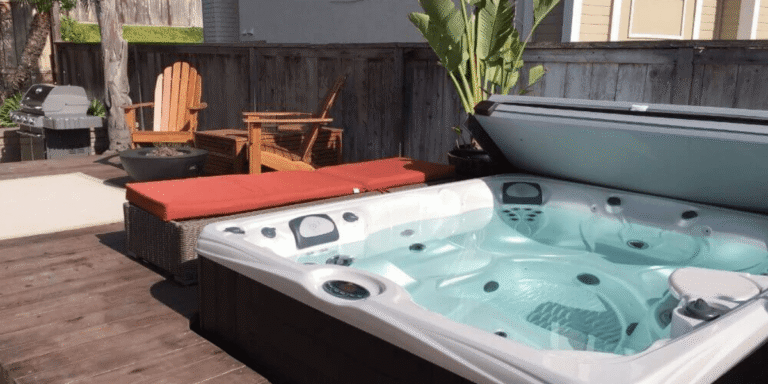
Once water chemistry checks out, shift your attention to the spa itself because a quick inspection prevents unnecessary complications. Remove the cover carefully and place it on a clean surface so debris does not transfer into the water. After that, confirm the water level sits above the highest jet while staying below the headrests, since low water levels can damage pumps, and overfilling may cause splashing. Turn on the control panel briefly to verify that pumps activate smoothly and that jets respond without unusual noise, because early detection of mechanical issues prevents larger repairs later.
At the same time, examine the area around the hot tub to ensure decking remains dry and slip-free, as wet surfaces increase the risk of falls. These small checks take only minutes, yet they create a safer and smoother experience.
Step 3: Set The Ideal Water Temperature
After confirming the spa is ready, focus on temperature because proper heat levels determine both comfort and safety. Most experts recommend keeping your hot tub between 100°F and 104°F, which provides therapeutic warmth without excessive strain on the body. Although 104°F represents the maximum safe temperature in the United States, many users find slightly lower settings more comfortable for extended sessions. Children and first-time users should soak at reduced temperatures around 98°F to 100°F since their bodies respond to heat more quickly.
Checking the display panel before entering ensures the water has stabilized at the chosen setting, and maintaining awareness of temperature prevents overheating. Because heat raises heart rate and circulation, keeping control over this factor protects your well-being throughout each session.
Step 4: Shower Before Entering
Before stepping into the water, take a quick shower because clean skin directly supports water quality. Lotions, oils, deodorants, and sweat introduce contaminants that increase sanitizer demand and cloud the water. When you rinse these substances away beforehand, the sanitizer works more efficiently, and chemical adjustments become less frequent.
Clear water not only looks better but also feels better against the skin, and that clarity extends the lifespan of filters and pumps. This simple step connects directly to long-term maintenance, which makes it one of the easiest ways to preserve water balance.
Step 5: Enter The Hot Tub Safely
Once prepared, enter the hot tub carefully to allow your body to adjust gradually. Use built-in steps or handrails because surfaces may feel slick due to moisture. Avoid jumping or sudden movements since hot tubs are designed for seated relaxation rather than active play.
Lower yourself slowly into the water and sit down before turning jets to full power, which gives your body time to adapt to the warmth. Gradual entry reduces the chance of dizziness and helps you ease comfortably into the session.
Step 6: Adjust Jets and Seating Position
After settling in, adjust the jets to match your comfort level because water pressure plays a major role in the overall experience. Begin with moderate intensity and increase gradually as needed so muscles respond without feeling overstimulated. Many seats target different muscle groups, which means rotating positions allows you to address shoulders, lower back, or legs during a single session.
Looking up your hot tub instruction manual can help you understand each jet zone more clearly, especially if your spa includes specialized therapy seats. By shifting positions occasionally, you promote balanced muscle relaxation while preventing discomfort in one specific area.
Step 7: Limit Soak Time
Even though soaking feels relaxing, managing your session length remains essential because extended exposure to heat affects hydration levels. Most experts recommend limiting sessions to 15 to 30 minutes since this timeframe provides therapeutic warmth without unnecessary strain. If you notice dizziness, light-headedness, or excessive warmth, exit immediately because these signs indicate overheating.
Drinking water before entering and again after exiting replenishes fluids lost through perspiration, even when sweating is not obvious. Maintaining hydration connects directly to overall comfort and supports safe, consistent use.
Step 8: Practice Safe Usage Guidelines
Responsible habits further enhance your experience because safety should remain a priority at all times. Avoid alcohol while soaking since it increases dehydration and impairs awareness. Children require close supervision and shorter sessions because their bodies respond differently to heat.
Pregnant individuals or those managing heart conditions or blood pressure should consult a healthcare provider before regular use to ensure that soaking remains safe and beneficial. These precautions create peace of mind and reinforce responsible ownership.
Step 9: Exit Carefully and Rehydrate
When your session ends, stand up slowly because warm water causes blood vessels to expand, and sudden movement may lead to light-headedness. Step out carefully using handrails, then dry off completely to prevent slipping and chilling.
Rehydrating immediately restores fluid balance and helps your body transition back to normal temperature comfortably. Ending your soak with intention supports the same safety awareness that guided you at the beginning.
Step 10: Replace The Cover and Secure the Spa
After drying off, close and secure the cover because this final step protects your investment. Locking the cover prevents debris from entering the water and improves safety for children and pets. A properly sealed cover also retains heat efficiently, which reduces daily energy consumption and operating costs. Wiping down the waterline before closing the lid keeps buildup under control, and this small effort contributes to long-term cleanliness.
Post-Use Maintenance Routine
Following each session, conduct a quick water test because heavy use can lower sanitizer levels. If adjustments are necessary, follow the dosing instructions outlined in your manual to avoid overcorrecting. Rinsing filters periodically maintains strong circulation, and wiping the shell prevents residue from forming. If you misplace printed documentation, you can often find hot tub manuals online through the manufacturer’s website, which makes troubleshooting easier. Consistent care connects directly to equipment longevity, water clarity, and overall reliability.
If you are considering adding a spa to your backyard, we provide trusted local support along with quality options, including used hot tubs for sale that fit a variety of budgets.
Conclusion
Using your hot tub correctly turns a simple soak into a safe and rewarding routine because each step supports the next. Testing water chemistry protects your skin and equipment, inspecting the spa prevents mechanical issues, and controlling temperature safeguards your health. Showering beforehand preserves water clarity, entering slowly supports comfort, and limiting soak time prevents dehydration. Replacing the cover conserves energy, while consistent maintenance extends the life of your investment. When you approach ownership with awareness and routine care, your hot tub becomes a dependable source of relaxation rather than a maintenance burden.
We are a trusted local provider of premium spas and personalized customer support. Homeowners looking to enhance their relaxation space can also consider getting a sauna in Colorado Springs from our collection to complement their existing spa setup.