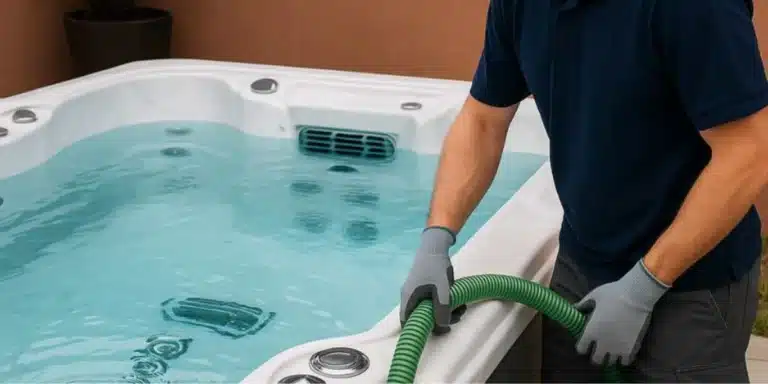

Backyard hot tubs are gaining serious attention in 2026, transforming ordinary outdoor spaces into personal wellness retreats. More homeowners are prioritizing relaxation, self-care, and entertaining at home, making hot tubs a desirable addition. Beyond luxury, they offer health benefits, stress relief, and opportunities for social connection. Yet, the decision to install a hot tub requires careful thought. Energy costs, maintenance responsibilities, and upfront investment can influence whether ownership is truly worthwhile.
This guide breaks down the benefits, drawbacks, financial factors, and key considerations to help you determine if a hot tub is worth it for your lifestyle this year.
The Appeal of Owning a Backyard Hot Tub
Relaxation and Stress Relief
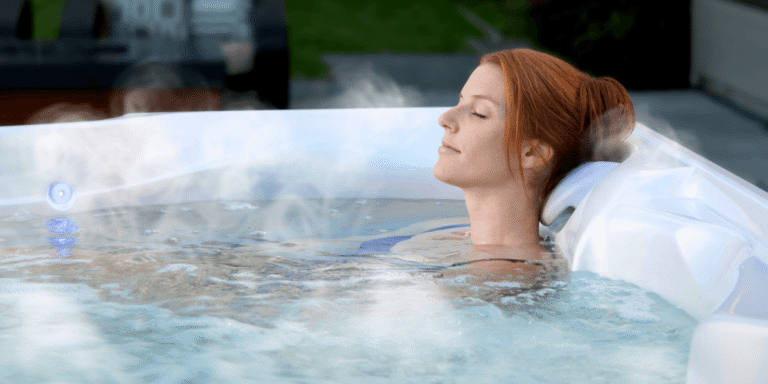
Soaking in a hot tub provides unmatched relaxation that few home additions can match. Warm water eases muscle tension and joint stiffness while hydrotherapy jets target sore spots for immediate relief. Many users report improved sleep cycles after a short soak, with stress levels noticeably reduced. Considering “Are hot tubs good for you?”, the consistent use promotes mental calm, encourages deep breathing, and may assist in reducing stress levels and promoting relaxation.
Social and Entertainment Benefits
Hot tubs are excellent for enhancing social life at home. They offer a natural gathering spot for family evenings, friends’ get-togethers, or intimate date nights. Placement flexibility allows use in outdoor decks or indoor spa rooms, depending on privacy and available space. Homeowners report that hot tubs make casual interactions feel more special and promote longer, more meaningful conversations.
Year-Round Use
Modern hot tubs are engineered for seasonal consistency. High-quality insulation, energy-efficient heaters, and thick covers maintain water temperature even during cold months. This allows users to enjoy warm water relaxation throughout the year without worrying about outdoor temperatures. Year-round usability ensures the investment continues to provide value and wellness benefits regardless of climate changes, making a hot tub a reliable source of comfort and recreation.
Financial Considerations
Upfront Purchase Cost
Hot tub prices vary widely in 2026. Entry-level models start around $5,000, while luxury, feature-rich tubs can exceed $20,000. Factors affecting cost include size, materials, number of jets, heating efficiency, and additional features like built-in lighting or sound systems. Installation adds another layer of expense, typically $1,500 to $5,000 for outdoor or indoor setups requiring electrical upgrades. When evaluating “Is a hot tub worth it?”, it’s essential to weigh upfront costs against expected use and lifestyle benefits.
Operating and Energy Costs
Electricity consumption is a major consideration when evaluating hot tub ownership. Most modern hot tubs use approximately 5–8 kWh per day, depending on insulation quality, climate conditions, water temperature settings, and frequency of use, which typically translates to $25-$60 per month in electricity costs, depending on local utility rates. High-efficiency models may reduce daily energy usage slightly, especially in moderate climates. In addition to electricity, ongoing expenses include chemical treatments, periodic water replacement, filter maintenance, and occasional minor repairs. Understanding the hot tub’s worth includes realistically planning for energy and maintenance expenses to avoid surprises.
Maintenance and Longevity
Regular maintenance is crucial for safe and enjoyable use. Filters require weekly cleaning, chemical levels need balancing, and water must be occasionally replaced. Most hot tubs last 10–15 years with consistent care, while high-end models with proper upkeep may exceed this timeframe. Considering “Are hot tubs worth it?”, factoring long-term maintenance and lifespan into cost calculations helps determine true investment value.
Potential Drawbacks of Backyard Hot Tubs
Space and Installation Requirements
A hot tub needs adequate space for installation and use. Indoor setups require sufficient ventilation to prevent moisture buildup, while outdoor tubs must have a level foundation and proper drainage. Electrical access, usually a dedicated 220V circuit, is critical for safe operation. Homeowners should also check local permits and HOA regulations, which may affect where and how a hot tub can be installed. Limited or unsuitable space can restrict options and increase installation complexity.
Energy Consumption and Environmental Impact
Heating water continuously consumes electricity, which impacts both bills and the environmental footprint. Energy-efficient heaters, insulated shells, and thermal covers can reduce consumption, but improper maintenance or high-frequency use increases costs. Homeowners conscious of sustainability should factor energy efficiency into purchasing decisions.
Time and Effort Commitment
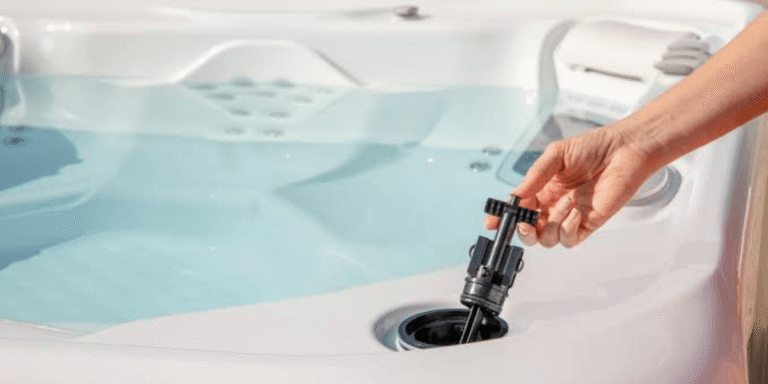
Owning a hot tub requires dedication to routine upkeep. Regular chemical testing, filter cleaning, and water changes are non-negotiable to maintain safe water conditions. Neglecting maintenance can reduce comfort, shorten equipment lifespan, and increase repair costs.
Key Factors to Evaluate Before Investing
Size and Capacity
Selecting the right size depends on household members and social use. Larger tubs accommodate more people but consume more energy and require additional maintenance. Smaller models save energy and are easier to manage, but may limit social or therapeutic use.
Heating Efficiency and Insulation
Heater type plays a major role in energy consumption. Standard heaters use more electricity to maintain temperature, while high-efficiency and hybrid systems minimize energy use. Insulated shells and tight-fitting covers reduce heat loss, keeping water warm longer without extra energy.
Placement and Accessibility
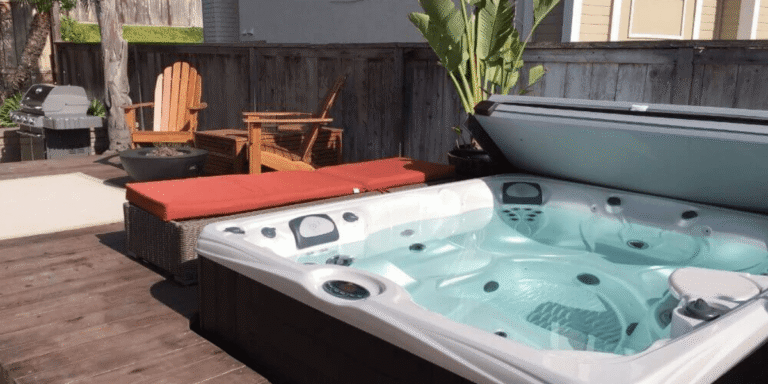
Location matters for both convenience and safety. Outdoor installations benefit from landscaping integration but require level ground, drainage, and electrical access. Indoor placements must handle humidity and ventilation properly. Easy access encourages regular use, while thoughtful positioning improves aesthetics and overall enjoyment.
Long-Term Use and Lifestyle Fit
Frequency of use determines whether a hot tub justifies the expense. Daily users benefit most from the investment, enjoying consistent wellness and relaxation. For occasional use, ongoing maintenance and operating costs may outweigh benefits. Assessing lifestyle, wellness goals, and entertainment expectations ensures the hot tub becomes a valued addition rather than an underutilized appliance.
Smart Investment Strategies
Choosing the Right Model
Comparing features, energy efficiency, jet configurations, and control systems is essential. High-quality, well-insulated models may cost more upfront but reduce electricity usage, chemical needs, and maintenance frequency. Matching tub features with lifestyle requirements ensures optimal enjoyment and long-term satisfaction.
We provide homeowners with reliable spa solutions backed by experience, quality service, and professional guidance. Budget-conscious buyers who still want performance and comfort can explore our selection of used hot tubs for sale in Colorado Springs.
Budgeting for Ownership
Beyond purchase price, monthly expenses include electricity, chemicals, filter replacements, and potential repairs. Estimating total 1 to 5 year costs clarifies ROI and helps set realistic expectations. Budgeting prevents surprise bills and ensures a sustainable investment in home wellness, supporting the decision-making process regarding “Are hot tubs worth it?”
Final Thoughts
Backyard hot tubs in 2026 offer a mix of relaxation, health benefits, and social appeal. They provide a retreat for mental calm, joint comfort, and entertainment, making them a worthy consideration for many households. However, careful planning is crucial to account for energy usage, maintenance, space, and upfront investment. Homeowners who evaluate size, efficiency, and lifestyle fit can enjoy consistent benefits while minimizing drawbacks. With thoughtful decision-making, proper care, and optional wellness enhancements, a hot tub can provide long-term satisfaction and elevate everyday living. Ultimately, determining “Is a hot tub worth it” depends on balancing practical costs with the lifestyle benefits you value most.
We are known for helping local families choose spa models that match their space, lifestyle, and budget. If you are comparing options and want trusted expertise, connect with us to get personalized recommendations from experienced hot tub dealers in Colorado Springs.