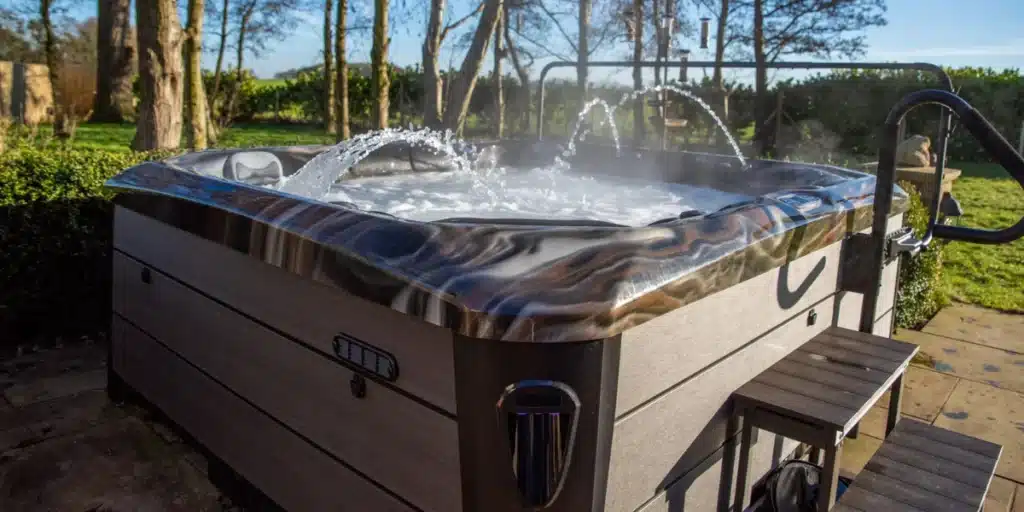
Owning a hot tub offers comfort, relaxation, and a touch of home luxury, but it comes with ongoing operating costs. Electricity usage drives monthly bills, and inefficient habits can make maintenance more expensive than expected. Understanding energy consumption helps owners make informed decisions, reduce waste, and plan budgets.
This guide examines how hot tubs consume electricity, factors influencing costs, strategies to save energy, and long-term maintenance considerations for a well-managed spa.
How Hot Tubs Use Energy
Heating Systems
The main concern of many people when buying a spa is, “Does a hot tub use a lot of electricity?” Heating accounts for the majority of a hot tub’s energy use. Maintaining water at a consistent temperature, especially in cold climates, requires significant electricity. Standard heaters draw more power to reach set temperatures quickly, while high-efficiency units provide the same warmth with lower energy use. Hybrid systems use advanced controls to maintain heat intelligently, lowering costs while keeping water ready for immediate use.
Pump and Jet Operation
Pumps circulate water, power jets, and operate during massage or resistance sessions. High-speed jets significantly increase energy draw, especially in larger tubs. Variable-speed pumps help manage electricity use by running at lower speeds during idle periods. Knowing “How much power does a hot tub use?” will help owners schedule jet sessions strategically to enjoy hydrotherapy without unnecessary energy waste. Efficient pump operation can reduce overall consumption by 10 to 20 percent without affecting water quality or comfort.
Filtration Cycles
Filtration cleans water and removes debris, preventing buildup on surfaces and in plumbing. While essential, extended or frequent filtration cycles increase electricity usage. Running pumps only as needed guarantees clean water while conserving energy. Many owners time filtration during off-peak hours to further lower energy bills, which also addresses questions about how much energy a hot tub uses in daily operation.
Factors That Affect Hot Tub Operating Costs
Size and Water Volume
Energy consumption rises with the amount of water a tub holds. A 200-gallon spa requires less energy to heat than a 500-gallon model. Larger volumes mean the heater must operate longer to maintain the temperature, which increases electricity bills. Understanding your spa’s capacity is crucial to help you plan monthly costs.
Insulation and Cover Quality
High-quality insulation minimizes heat loss. Shell insulation, cabinet panels, and tightly fitting thermal covers prevent energy waste. Poor covers or thin walls allow heat to escape, forcing the heater to run continuously. Investing in a well-insulated spa reduces consumption by 30 to 50 percent, lowering monthly costs significantly.
Ambient Temperature and Climate
Outdoor temperature has a direct effect on energy usage. Cold winters require constant heating, whereas milder climates allow the water to maintain a temperature with less electricity. Owners in colder regions often see higher energy bills, while those in temperate areas spend less without compromising comfort.
Frequency of Use
Frequent use drives energy consumption. Daily soaking with long jet sessions and high temperatures consumes more electricity than occasional use. Adjusting session length and temperature can help balance enjoyment with operating costs.
Estimating Your Monthly and Annual Costs
Hot tubs typically consume between 3 and 7.5 kWh daily, translating to $20 to $100 per month depending on insulation, local electricity rates, and usage habits. High-efficiency units can operate at 2.7 to 3.2 kWh daily.
For example, a medium-sized 400-gallon spa with good insulation running at 3.5 kWh/day at $0.14/kWh costs roughly $15 per month. In contrast, a 600-gallon tub with standard insulation and frequent use can reach $80 monthly.
Understanding “How much electricity does a hot tub use?” can help plan budgets effectively, avoiding surprises on energy bills. Other factors, such as water replacement, chemical use, and occasional maintenance, add to annual operating expenses. Budgeting for these confirms ownership remains predictable and stress-free.
Tips to Reduce Energy Consumption
Optimize Temperature Settings
Lowering water temperature by just a few degrees can inhibit energy use by 10 to 15 percent. A setting of 100 to 102°F often provides comfort while conserving electricity compared to the maximum 104°F. Gradual changes prevent heater overwork, saving money over time.
Improve Insulation
Thermal covers and insulated shells reduce heat loss during inactivity. Check that the cover fits tightly, and consider adding foam insulation inside panels. Reinforced cabinet insulation further minimizes electricity usage by maintaining a stable water temperature.
Use Timers and Smart Controls
Smart systems allow owners to schedule filtration, heating, and jets efficiently. Running pumps during off-peak hours reduces electricity costs. Automated schedules maintain water quality without wasting energy, giving control over operating expenses.
Maintain Equipment Regularly
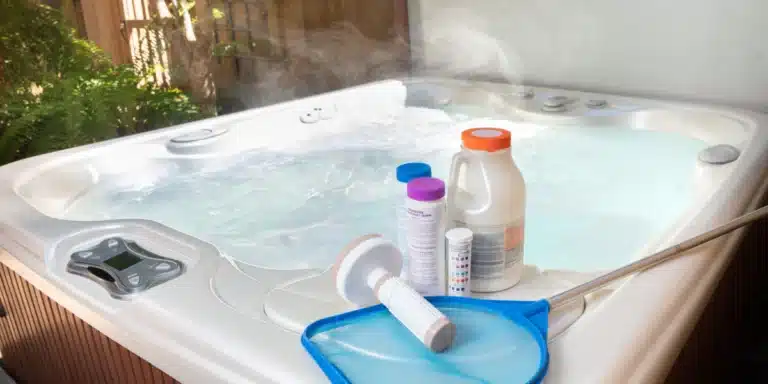
Dirty filters, worn seals, and inefficient pumps increase energy use. Cleaning filters, inspecting heaters, and checking water circulation keep the spa running efficiently. Regular maintenance prevents costly repairs while optimizing electricity consumption.
We offer solutions like used hot tubs in Colorado Springs, which provide year-round enjoyment.
Understanding Hidden Costs
Energy bills only tell part of the story. Chemical use, water treatment, and periodic maintenance contribute to total operating costs. Neglected maintenance accelerates component wear, forcing pumps, heaters, and filters to work harder. Accounting for these hidden expenses guarantees a complete picture of hot tub ownership costs.
Comparing Hot Tub Models for Energy Efficiency
Not all hot tubs use electricity equally. Standard models often consume more than high-efficiency units equipped with thicker insulation, high-performance pumps, or programmable heaters. Eco-friendly options cost more upfront but reduce monthly energy bills and maintenance frequency. Smart investments in efficient models balance initial purchase with long-term savings.
Balancing Comfort with Cost
Enjoying hot water relaxation without excessive electricity requires strategic adjustments. Slightly lower temperatures, shorter jet sessions, and mindful filtration cycles provide comfort while controlling bills. Gradual changes protect heaters, pumps, and water chemistry while allowing owners to enjoy the spa daily without overpaying for energy.
Monitoring Energy Usage Over Time
Tracking electricity usage monthly helps identify patterns. Owners can compare winter and summer bills to determine if insulation or heater settings need adjustment. Simple monitoring allows proactive measures to lower costs without sacrificing performance.
Maintenance and Equipment Upgrades
Upgrading to energy-efficient pumps, replacing worn covers, or retrofitting insulation can reduce energy usage. Equipment maintenance confirms the system operates at peak efficiency. Well-maintained heaters consume less electricity, while efficient pumps reduce unnecessary draw during circulation and jets.
Final Thoughts
Understanding hot tub energy consumption is essential for smart ownership. Heater type, pump usage, filtration cycles, insulation quality, water volume, and climate all influence electricity use and operating costs. Regular maintenance, proper temperature settings, and efficient equipment help keep bills predictable while ensuring optimal performance. Monitoring energy consumption allows timely adjustments before costs escalate, while thoughtful upgrades improve efficiency. Combining these practices with routine chemical care preserves water quality and extends equipment life. Owners who plan proactively enjoy consistent comfort without unexpected expenses.
We have been helping homeowners create relaxing wellness spaces with premium spa and sauna options. Learn more about our infrared saunas in Colorado Springs to increase heat therapy and enjoy year-round comfort at home.