
Swim spas continue gaining attention across the United States for good reason. They combine exercise, hydrotherapy, relaxation, and year-round usability within a single system. Homeowners appreciate the compact footprint compared to traditional pools while still enjoying resistance swimming, family fun, and wellness benefits. That growing interest often leads buyers to focus heavily on models, jet configurations, or seating layouts. Planning for swim spa installation deserves equal focus. Overlooking preparation can cause delays, added expenses, or operational issues after delivery.
This guide walks through space requirements, electrical needs, site preparation, delivery logistics, and long-term usability considerations so buyers can plan with clarity rather than guesswork.
Understanding What a Swim Spa Requires Before Installation
Swim spas differ greatly from standard hot tubs. Size alone changes everything. Many full-size swim spas stretch well beyond 15 feet and carry significant water volume once filled. Functionality also varies since they support swimming currents, fitness routines, and therapy seating within one shell.
Early planning prevents problems later. Proper assessment helps avoid rushed foundation work, last-minute electrical upgrades, or delivery complications. Buyers who plan ahead experience smoother timelines, predictable budgets, and fewer surprises on installation day.
Selecting The Right Location for Your Swim Spa
Indoor Vs Outdoor Placement
Indoor installations offer privacy and year-round climate control. They also demand careful moisture management. Adequate ventilation systems protect walls, ceilings, and flooring from humidity damage. Room dimensions must allow safe entry, servicing access, and comfortable movement around the spa.
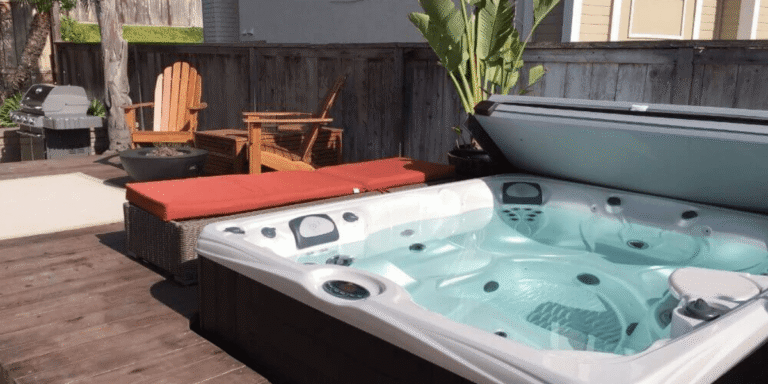
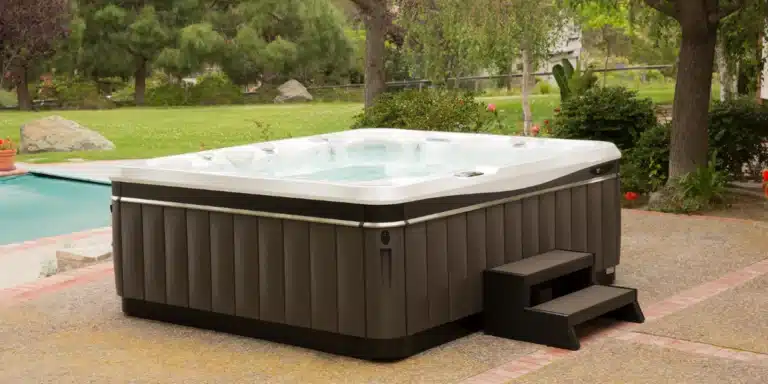
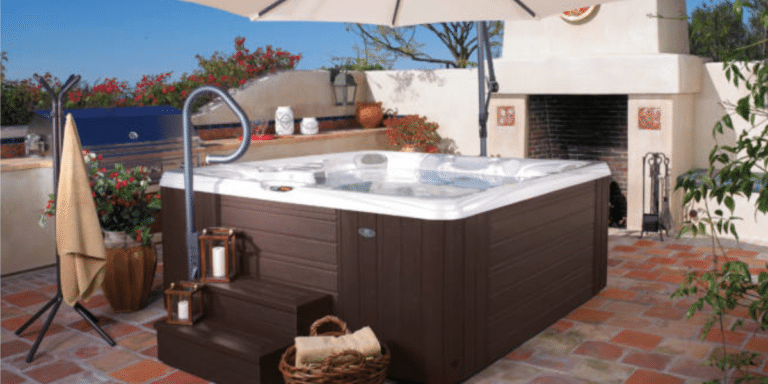
Outdoor placement offers easier ventilation and flexible layouts. Weather exposure becomes the main consideration. Sun, wind, and snowfall influence cover selection, insulation needs, and year-round usability. Privacy screening also matters, especially in visible yards or shared communities.
Space and Clearance Requirements
Every swim spa requires a clear footprint larger than the shell itself. Buyers should allow room for entry steps, safety rails, and cover removal. Service panels must remain accessible on designated sides for routine maintenance.
Overhead clearance matters as well. Indoor ceilings must accommodate the spa height and any lifting during servicing. Outdoor areas should remain free from low branches or roof overhangs.
Foundation and Surface Preparation
Weight and Load Considerations
A filled swim spa carries immense weight due to water volume, shell materials, and occupants. That load remains constant throughout ownership. Decks, patios, or indoor floors must support sustained pressure without shifting or sagging.
Ignoring load calculations risks structural damage. Cracked concrete, warped decks, and shell stress often trace back to inadequate foundations rather than product flaws.
Recommended Base Options
Concrete pads remain the most reliable base for swim spa installations. A reinforced slab offers level support, stability, and long-term durability. The thickness usually varies between 4 and 6 inches, depending on the size of the spa.
Reinforced decks work only after a professional evaluation. Structural upgrades usually include additional joists or beams. Pre-engineered spa pads provide quicker installation for specific situations. These pads must match manufacturer guidelines precisely to remain effective.
Electrical and Utility Requirements
Power Supply and Wiring Needs
Most swim spas require a dedicated high-voltage circuit. Typical setups involve 240-volt service with amperage varying by model features. Heating systems, swim jets, and control panels all rely on stable power delivery.
A licensed electrician remains essential. Professional installation ensures code compliance, system safety, and reliable performance throughout ownership.
GFCI and Safety Compliance
Ground fault protection protects users near water sources. GFCI breakers shut off power instantly if irregularities occur. Local inspections confirm proper placement, wiring methods, and disconnect accessibility.
Skipping safety compliance risks serious hazards and legal complications. Correct installation protects both property value and personal safety.
Delivery and Access Planning
Site Access and Entry Points
Delivery logistics often present the biggest challenge. Buyers should measure gates, walkways, and turns carefully. Narrow passages create delays or require alternative equipment. Surface conditions matter as well. Soft soil, steep slopes, and uneven terrain affect delivery equipment placement.
Crane or Special Equipment Considerations
Many swim spas require crane placement due to size. Obstacles like fencing, buildings, or landscaping influence equipment choice. Overhead hazards such as power lines must be identified early to avoid last-minute changes. Professional delivery teams evaluate these factors in advance, reducing risk on installation day.
Water Supply and Drainage Planning
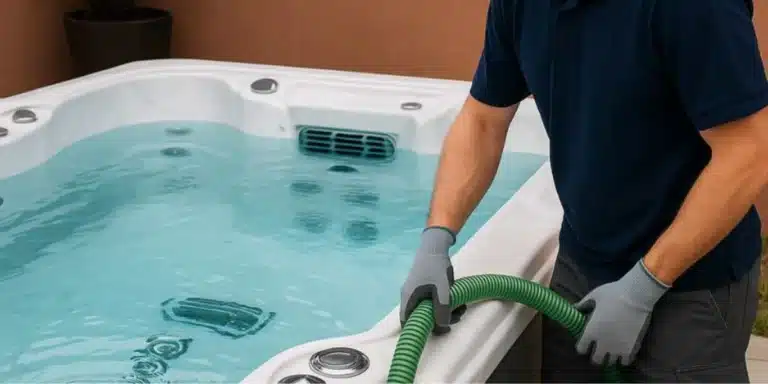
A nearby water source simplifies filling. Standard garden hoses usually suffice, though fill times vary by spa size. Buyers should also plan drainage routes for routine water changes. Responsible runoff management protects landscaping and local drainage systems. Proper planning prevents erosion or pooling near foundations.
Climate and Environmental Considerations
Cold climates demand strong insulation and freeze protection features. Covers play a key role in heat retention during the winter months. Sun exposure affects water temperature, shell longevity, and cover wear. Wind barriers improve comfort during use while reducing heat loss. Seasonal access planning ensures safe entry throughout the year.
Maintenance Access and Long-Term Usability
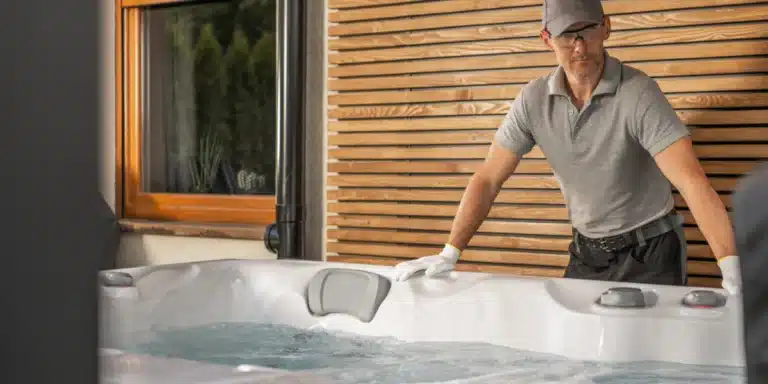
Service access remains vital long after installation. Panels must open fully without obstruction. Pathways should allow technicians to work safely. Noise considerations matter in residential areas. Pump operation, lighting placement, and privacy screening influence daily enjoyment. Planning ahead avoids regret after placement becomes permanent.
We are known for offering high-quality spa and sauna solutions backed by local expertise and reliable service. Learn more about our infrared sauna in Colorado Springs to see how it can fit seamlessly into a home wellness setup focused on comfort and long-term value.
Budgeting Beyond the Swim Spa Purchase
The total swim spa installation cost extends beyond the unit itself. Electrical upgrades, concrete work, permits, and delivery equipment all contribute to the final number. A well-planned installation often saves money by preventing corrections or rework after delivery.
Buyers should also consider operating expenses. Energy usage, water care supplies, and routine servicing factor into long-term ownership. Understanding the cost of a swim spa installed creates realistic expectations without financial stress later.
Conclusion
Successful swim spa ownership begins long before delivery day. Proper planning supports safety, functionality, and long-term satisfaction. Buyers who consider space, structure, utilities, and access enjoy smoother installations with fewer surprises. Thinking ahead protects the investment while enhancing daily enjoyment. Thoughtful preparation leads to reliable performance, easier maintenance, and lasting value.
For buyers ready to take the next step, we offer premium options such as Caldera Spas Utopia Series, designed for durability, comfort, and year-round use.