
A hot tub is meant to be simple. Warm water, quiet evenings, and a place to relax after a long day in Colorado Springs. But small mistakes hot tub owners make in Colorado Springs can turn that comfort into cloudy water, high energy bills, or costly repairs. Many homeowners make the same errors without realizing it. Understanding the most common missteps is the first step toward protecting a spa investment and keeping that steady, soothing soak exactly as it should be.
The Most Common Hot Tub Mistakes Colorado Springs Homeowners Make and How to Fix Them
To make the most of your backyard oasis, you have to know what missteps to avoid and how to correct them. Below, we outline the common spa problems homeowners make and the useful solutions they should take.
Mistake 1: Ignoring Water Chemistry and Hard Water Scaling
One of the biggest hot tub mistakes Colorado Springs owners make is underestimating the local water. Depending on where you live, you might be dealing with extremely hard water. A report from the Colorado Springs Gazette highlighted that some local water districts have hardness levels as high as 180 milligrams per liter of calcium carbonate, among the highest in the Front Range. This high mineral content is a recipe for disaster.
The Solution: Test and Treat Your Water
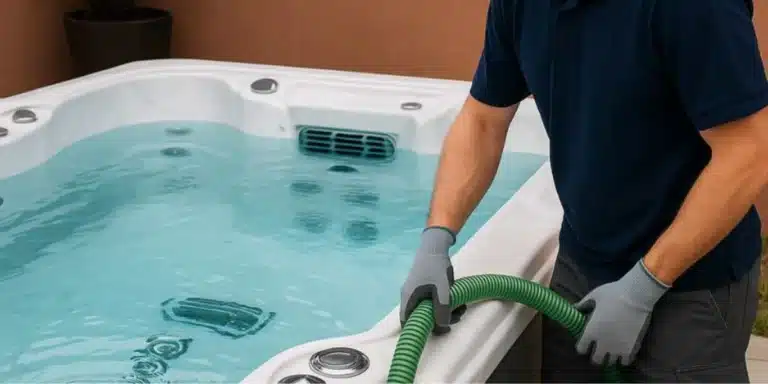
You cannot just fill your spa from the garden hose and hope for the best. You must first test your source water. If you live in an area with hard water, using a pre-filter on your hose when filling the spa can help reduce the hardness. More importantly, you need to use a stain and scale inhibitor as part of your water chemistry routine. This product binds to the minerals, preventing them from depositing on your equipment and keeping your heater running efficiently.
Mistake 2: Overlooking Filter Cleaning
One frequent hot tub maintenance error is allowing filters to accumulate debris such as leaves, dirt, and body oils. In Colorado Springs, where dust from the plains and pollen from the mountains can sneak in, clogged filters strain the pump, leading to murky water. According to spa experts, neglecting this can cut your system’s efficiency by up to 20 to 30 percent, spiking energy use.
The Solution: Rinse and Replace
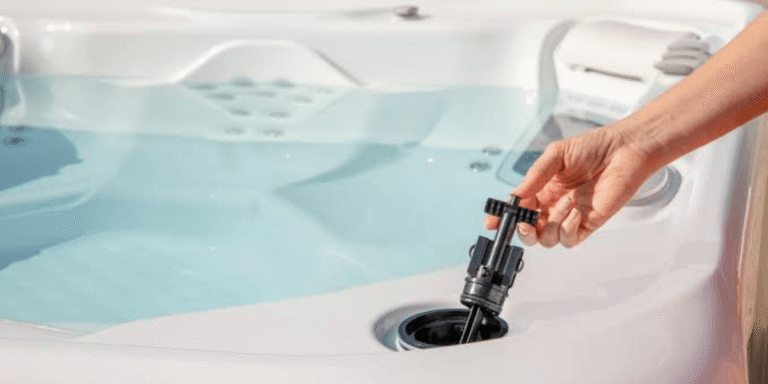
Rinse filters weekly with a garden hose and soak them monthly in a cleaning solution. Replace them every year or so. This quick routine keeps water flowing cleanly and extends your hot tub’s life.
Mistake 3: Forgetting About the “Chemical Cloud” Under the Cover
This is a classic case of out of sight, out of mind. You balance the water, close the lid, and think the job is done. However, the space between the water surface and the cover, known as the freeboard, becomes a trap for corrosive chemical fumes. Moisture and chemicals degrade the vapor barrier around the foam core. Once that barrier is gone, the foam soaks up water like a sponge.
A waterlogged cover can weigh over 50 pounds with just a few inches of wet snow, and it loses all its insulating properties. This forces your heater to run constantly, which is a primary driver of high energy bills and a major hot tub mistake.
The Solution: Let Your Cover Breathe
Get into the habit of removing the cover completely and leaning it against a fence or wall for about 15-20 minutes after you add chemicals. This allows the harmful gases to dissipate safely. Also, cleaning your cover with a mild soap solution prevents mold and grime from building up, which can also degrade the vinyl.
Mistake 4: Neglecting Winter Storm Preparedness
A Colorado winter storm can be beautiful, but it can also be brutal on your spa. One of the most critical hot tub safety tips is to prepare for power outages and heavy snow. If the power goes out during a freeze, the water in your pipes can freeze. As it freezes, it expands, and cracked plumbing is one of the most expensive repairs you can face. Wind is another culprit. An unlatched cover acts like a kite, and a strong gust can send it flying across the yard, cracking the foam inside and ruining it.
The Solution: Secure, Clear, and Plan
Before a storm hits, make sure your cover is securely latched. For extra security, consider using hurricane straps. During the storm, monitor snow accumulation and gently brush it off with a broom to prevent the weight from collapsing the cover. If a long-term power outage is expected, it might be wise to drain the spa and blow out the lines. For shorter outages, a thermal floating blanket can help retain heat and slow freezing.
Mistake 5: Skimping on Insulation and Cover Quality
Trying to save money on a spa with poor insulation or a thin cover is a classic penny-wise, pound-foolish error. In this climate, heat loss is your enemy. The spa experts note that proper insulation and a high-quality cover can reduce heating costs by up to 50%. If your spa isn’t holding onto its heat, it’s constantly running, which leads to those dreaded high utility bills.
The Solution: Invest in Efficiency
Look for “full-foam” insulation, which fills the entire cabinet cavity and locks in heat. Your cover should be thick, tapered (thicker in the middle), and fit snugly to create a tight seal. This is the first line of defense against the cold and a major factor in keeping your operating costs down.
Ready to upgrade your evenings? Colorado Springs Hot Tubs features an outstanding selection of hot tubs for sale in Colorado Springs from trusted leading brands that prioritize energy efficiency and comfort. Connect with us and see how easy it is to find your dream spa.
Essential Hot Tub Safety Tips for Colorado Springs Owners
Keeping your spa safe is just as important as keeping it clean. Here are a few non-negotiable hot tub safety tips to keep in mind, especially with the unique local conditions.
- Watch the Temperature: The maximum safe temperature is generally 104°F (40°C). If you are pregnant, have a heart condition, or are sensitive to heat, stick to lower temperatures around 100°F. Prolonged exposure to high heat can lead to overheating or drowsiness.
- Secure the Cover: A heavy, waterlogged cover can be a drowning hazard for small children and pets. Always ensure your cover is locked securely when the spa is not in use. This also prevents curious kids or animals from accessing the water unsupervised.
- Be Mindful of Slippery Surfaces: Ice and snow around your spa create a major slip-and-fall risk. Keep the area around your spa clear of ice. Consider having a mat with good traction on the steps leading into the spa.
- Limit Alcohol Consumption: While soaking in a hot tub and sipping a drink sounds relaxing, alcohol can increase drowsiness and the risk of overheating. It also impairs judgment, which is dangerous around water.
- Know Your Electrical Safety: Ensure your spa is wired by a licensed electrician and is up to code. All electrical components should be housed away from standing water. Never operate electrical devices, like radios or phones, while in the spa.
Long-term hot tub care in Colorado homes protects both comfort and investment, supporting steady performance through snow, wind, dry air, and year-round outdoor exposure.
FAQs
-
Which hot tub mistakes lead to higher energy bills in Colorado Springs?
Failing to use a proper cover and ignoring insulation lets heat constantly escape. Dirty filters and poor water circulation force heaters to run longer, significantly increasing electricity use and overall maintenance costs.
-
What’s the most common error when choosing a hot tub for a Colorado Springs home?
Many ignore energy efficiency, climate suitability, and installation requirements, resulting in a tub that does not fit their outdoor space. This leads to higher heating costs and potential structural issues over time.
-
How do Colorado Springs homeowners damage their hot tub cover?
Leaving water or snow-soaked on the cover and failing to clean or condition it can lead to mildew growth, sagging, and insulation breakdown, reducing energy efficiency and shortening the cover’s lifespan.
-
What mistakes cause water to become cloudy or smelly in a hot tub in Colorado Springs?
Not testing water frequently, overusing or misusing chemicals, and neglecting filter cleaning create imbalanced water. This results in cloudy, smelly water, increased bacteria growth, and unpleasant bathing conditions for users.
-
Why do some hot tubs fail in winter in Colorado Springs?
Cold temperatures combined with improper winter preparation, like leaving water in pipes without circulation, can freeze plumbing and damage pumps or heaters. This causes costly repairs and sometimes total tub failure.
Bottom Line
Hot tubs bring joy to Colorado Springs life, but dodging these pitfalls keeps the good times rolling. By focusing on regular upkeep, safety, and local climate tweaks, you’ll enjoy a reliable retreat. Learning and applying proper hot tub safety tips keeps your investment running well through every season. With simple routines and the right equipment, your spa can be the highlight of your home for years to come.
If you are looking for a reliable spa or need expert advice on maintaining your current one, the team at Colorado Springs Hot Tubs is here to help. We have nearly 50 years of experience helping local families find the perfect hot tubs in Colorado Springs for their homes and lifestyle.