
Keeping hot tub water clean and balanced is one of the most important parts of ownership. Clear water is not just about appearance. It also protects health, extends the life of the equipment, and ensures a comfortable soaking experience. Many hot tub owners feel unsure about where to start, but the process is simpler than it seems. With a few basic steps and the right tools, anyone can maintain safe and enjoyable water conditions.
Why Water Testing Matters
Hot tubs operate at higher temperatures than pools, which creates a perfect environment for bacteria and algae if the water is not balanced. Regular hot tub water testing helps prevent these problems before they begin. Balanced water also protects the shell, jets, and plumbing from damage caused by scale buildup or corrosion.
Ignoring water chemistry can lead to cloudy water, strong odors, and even skin irritation. Testing on a routine basis keeps everything in check and avoids costly repairs later. It is a small effort that makes a big difference in long-term performance and comfort.
Key Elements to Monitor
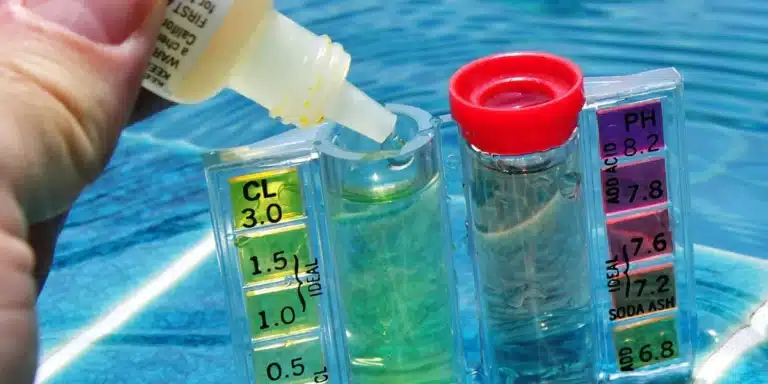
Understanding what needs to be tested is the first step toward proper care. A standard hot tub water test checks several important factors.
-
pH Levels
pH measures how acidic or basic the water is. The ideal range sits between 7.2 and 7.8. Water outside this range can cause irritation and reduce the effectiveness of sanitizers.
-
Sanitizer Levels
Chlorine or bromine is used to kill bacteria and keep water safe. Levels should stay within the recommended range listed on the product label. Low sanitizer levels can allow bacteria to grow, while high levels may cause discomfort.
-
Alkalinity
Total alkalinity helps stabilize pH levels. Keeping it balanced prevents sudden changes that can throw off water chemistry.
-
Calcium Hardness
Calcium levels affect how water interacts with surfaces. Low levels can cause corrosion, while high levels may lead to scaling on the tub and equipment.
Tools for Testing
Several tools are available to make testing hot tub water simple and accurate. Each option has its own benefits depending on preference and budget.
-
Test Strips
Test strips represent one of the simplest approaches. They provide quick results and are widely available. Simply dip a strip into the water and compare the colors to the chart on the packaging.
-
Liquid Test Kits
Liquid kits offer more precise readings. They require adding drops of solution to a water sample and observing color changes. This method takes a little more time but delivers detailed results.
-
Digital Testers
Digital testers are convenient and easy to read. They measure specific levels and display the results on a screen. While they cost more upfront, they can be a good long-term investment.
Step-by-Step Testing Process
Learning how to test hot tub water becomes easier with a clear routine. Following these steps ensures accurate results every time.
1. Collect a sample of water from elbow depth. This avoids surface debris that could affect readings.
2. Use the chosen testing method, such as strips or a liquid kit.
3. Evaluate the findings against the suggested ranges for every element.
4. Document the measurements if monitoring progress over time.
5. Modify chemicals as required based on the findings.
Testing should occur at least two to three times each week, particularly with regular usage. Regular checks help catch small issues before they become bigger problems.
Adjusting Water Chemistry
After testing, the next step is balancing the water. Add chemicals in small amounts and allow time for circulation before testing again. This prevents overcorrection.
If pH is too low, a pH increaser can help bring it back into range. If it is too high, a pH reducer is used. The same careful approach applies to alkalinity and sanitizer levels.
Patience is important. Quick fixes can create more imbalance. Gradual adjustments lead to stable and reliable results.
Common Mistakes to Avoid
Even with the best way to test hot tub water, mistakes can happen. Being aware of common issues helps prevent frustration.
One mistake is skipping regular testing. Waiting too long between checks can allow problems to grow. Another issue is adding too many chemicals at once, which can throw off the balance even further.
Using expired test strips or storing them in humid areas can also affect accuracy. Fresh supplies and proper storage make a noticeable difference.
Creating a Simple Routine
Consistency makes water care easier. Set a schedule for testing and stick to it. Keeping supplies organized and within reach saves time and effort. A simple routine might include testing every few days, adjusting chemicals as needed, and doing a deeper check once a week. Over time, this routine becomes second nature, whether you’re maintaining a hot tub or enjoying a relaxing sauna in Colorado Springs.
Explore premium options with us and discover how the perfect spa or sauna setup can bring comfort, relaxation, and long-term value to your home. Get started today and turn everyday moments into a personal retreat.
Signs Your Water Needs Attention
Even without testing, certain signs indicate that water balance may be off. Cloudy water, strong chemical smells, or visible residue on surfaces are all warning signals.
Skin irritation after use can also point to imbalanced water. Addressing these signs quickly through proper testing and adjustment keeps the hot tub safe and enjoyable.
Long-Term Benefits of Proper Testing
Regular care does more than keep water clear. It protects the investment made in the hot tub. Equipment lasts longer, repairs are less frequent, and overall performance stays consistent.
Using the right approach to water care builds confidence. Owners can enjoy their hot tubs without worrying about hidden issues. Over time, the process becomes quick and easy to manage.
Conclusion
Keeping water balanced does not have to be complicated. With the right tools and a simple routine, maintaining clean and safe water becomes part of regular upkeep. Paying attention to pH, sanitizer levels, alkalinity, and calcium ensures a comfortable experience every time the hot tub is used.
Staying consistent with testing and making small adjustments helps prevent common problems and keeps your hot tub safe. We offer premium used hot tubs for sale to support a smooth and worry-free ownership experience. Check out our catalog to see which hot tub fits your needs!