
Cold water can trigger an immediate physiological response. Blood vessels near the skin constrict, breathing and heart rate can change, and many people experience a temporary increase in alertness. These responses help explain why cold water immersion has attracted attention as a recovery and wellness practice. Hydrotherapy has become a popular wellness habit well beyond athletic recovery, and the cold plunge tub benefits people mention most are tied to physical responses that researchers continue to study.
This guide explains what a cold plunge does in your body, its potential benefits, and how to build a routine that works for you.
What Is a Cold Plunge?
Cold plunging involves submerging your body in cold water, typically between 50°F and 60°F, for a short period. Protocols vary, and sessions typically last between 30 seconds and a few minutes. People do this in a dedicated tub, a chilled pool, a cold lake, or a bathtub filled with ice.
The practice is not new. Cultures worldwide have used cold water immersion for centuries. Still, it has recently gained fresh attention as more people look for ways to recover from workouts, manage stress, and support overall wellness. People often ask about the benefits of a cold plunge pool, and the body responses described below come from the cold water itself.
How Cold Plunging Works in the Body
Cold water triggers several responses at once, and each one shapes how you feel during and after a session. The main responses are outlined below.
- Vasoconstriction: Cold exposure constricts blood vessels near the skin and extremities.
- Stress response: Sudden cold exposure activates the sympathetic nervous system and can increase alertness.
- Thermogenesis: Cold exposure can increase heat production and energy expenditure as the body works to regulate its temperature.
What Are the Benefits of a Cold Plunge Tub? A Full Breakdown
Cold plunge tubs can trigger several short-term physiological responses that may support recovery and alertness. Here is a closer look at what current research says about each potential effect.
Muscle Soreness and Recovery
Cold water immersion may reduce post-exercise muscle soreness and can support some aspects of short-term recovery. However, its effects on strength, power, and other recovery measures vary by exercise and immersion protocol. Cold water immersion may help reduce delayed-onset muscle soreness, which can become noticeable within the first day after strenuous exercise and persist for several days.
Circulation and Cardiovascular Response
Cold water temporarily constricts blood vessels near the skin. Blood flow changes again as the body warms, but this short-term response should not be interpreted as proof that regular cold plunging improves long-term cardiovascular health.
Alertness and Mood
Cold exposure can produce a strong alerting response, and some research suggests it may influence mood and stress-related measures. However, the evidence for lasting improvements in mental health or stress is still developing. For daily stress, many readers ask, “What are cold plunge benefits?” The clearest answer is the short-term alerting response, while lasting stress relief needs more research.
Immune System Response
A 2025 systematic review and meta-analysis of 11 studies involving 3,177 participants examined the effects of cold-water immersion on health and well-being. The researchers found no significant immediate or one-hour effects on immune function, although some evidence suggested potential benefits for stress, sleep quality, and quality of life.
Weight Management and Metabolism
Cold temperatures can activate brown fat activity and temporarily increase energy expenditure, but this does not make cold plunging an effective standalone weight-management strategy.
Mental Resilience and Stress Tolerance
Cold plunging can feel demanding both mentally and physically. Some people find the controlled discomfort rewarding, but evidence that regular cold plunging produces lasting improvements in stress resilience remains limited.
A Simple Breakdown by Benefit
Here is a quick reference to the potential health benefits of cold plunge and what current research suggests about each one. Use it before you build a routine.
| Potential Effect | What Research Suggests |
| Muscle soreness | May reduce perceived soreness after exercise |
| Acute vascular response | Causes temporary blood-vessel constriction |
| Alertness | Can produce a strong short-term alerting response |
| Immune-related effects | Evidence remains limited and does not establish stronger immunity |
| Energy expenditure | Cold exposure can increase thermogenesis and energy expenditure temporarily |
| Stress response | Produces a controlled physiological stress response; long-term resilience benefits remain uncertain |
Is Cold Plunge Good for Recovery?
Cold plunging may help reduce post-exercise muscle soreness, although its effects on strength and other aspects of performance recovery can vary. A dedicated cold plunge also allows consistent, full-body immersion, which ice packs and cold showers do not. The timing and duration of cold exposure may affect the outcome, so the best approach depends on your exercise type and recovery goals.
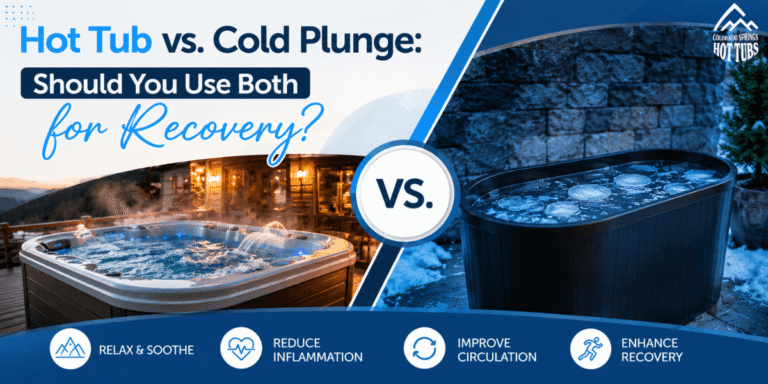
You can prepare a cold plunge tub with chilled water and ice, while some systems use a chiller to maintain a consistent temperature. In contrast therapy, warm water can increase blood flow near the skin, while cold water constricts blood vessels near the skin.
Getting Started Safely
If you are new to cold plunging, start gradually and keep your first sessions short.
- Begin with cool showers and gradually lower the temperature over time.
- Try a brief cold-water session of about 30 seconds to one minute, then gradually increase the duration as your body adjusts.
- Use a dedicated, well-maintained setup rather than an improvised one.
- Focus on slow, controlled breathing to manage the initial shock.
- Exit immediately if you feel dizzy, numb, or unwell.
Bringing Hydrotherapy Home
The biggest obstacle to consistency is access. A gym membership or spa visit only works if you actually go, but having your own setup makes it far easier to maintain a routine. Many people pair a cold plunge with a warm soak as part of a contrast-therapy routine.
If you would like to build a hot-and-cold routine at home, our team at Colorado Springs Hot Tubs can help you compare the listings of Caldera hot tubs for sale and choose a model that fits your space and budget.
Frequently Asked Questions
1. How cold does the water need to be for a cold plunge?
Cold plunges are commonly done at around 50°F to 60°F, though the exact temperature varies. Beginners often start slightly warmer and lower the temperature as they build tolerance.
2. How long should a session last?
No single duration suits everyone. A short first session is a sensible starting point, and you can extend it gradually if the cold feels comfortable.
3. How often should I cold plunge each week?
No single frequency suits everyone. Beginners can start with occasional short sessions and adjust based on their tolerance and goals.
4. Can I combine a cold plunge with a hot tub routine?
Yes, alternating hot and cold water is known as contrast therapy. Some people use it as part of a recovery routine, although evidence for additional benefits varies by protocol and outcome.
5. Who should avoid cold plunging?
People with heart disease, high blood pressure, poor circulation, Raynaud’s disease, diabetes, peripheral neuropathy, and people who are pregnant should also consult a healthcare professional before trying cold-water immersion.
Final Thoughts
Cold plunging is now a widely used recovery and wellness practice. Research suggests cold water immersion may help with post-exercise soreness and produce measurable short-term physiological responses. At the same time, evidence for broader benefits such as immune support, weight management, and long-term stress resilience remains limited. Start with short sessions and pay attention to how your body responds to build a manageable routine.
Ready to pair a warm soak with your cold plunge? Connect with Colorado Springs Hot Tubs and learn about the Caldera Vacanza price. Our team will help you find a hot tub that fits your home and budget.