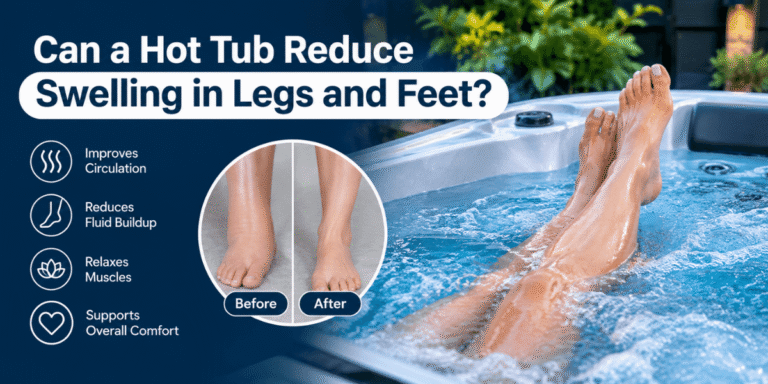
Gravity never takes a day off. Every hour you stand, walk, or sit, gravity tugs more fluid into your ankles and feet until your shoes feel snug and your legs feel heavy. Warm, bubbling water pushes back against that constant tug, which makes a hot tub for swollen feet an appealing way to end the day.
Still, comfort and cure aren’t the same. Heat and water pressure can ease the buildup, but the cause determines how far relief goes. Here is a clear, simple look at how soaking works, how to stay safe in the water, and when swelling deserves a doctor’s attention.
Can Hot Water Reduce Swelling in Feet?
Swelling is extra fluid in your tissues, and warm water nudges that fluid to move.
How Heat Opens Your Blood Vessels
Heat widens blood vessels, a process doctors call vasodilation. Wider vessels carry more blood to your legs and feet, but that flow does not necessarily reduce swelling. A warm water soak for swollen feet should feel comfortable, not scalding, because excessive heat may aggravate certain conditions.
What Water Pressure Does for Your Legs
Water pushes on all submerged parts of your skin, and that gentle pressure may help shift fluid toward your heart. This effect helps explain the connection between hot tub circulation and swelling. Buoyancy also reduces the weight your legs support while you sit, which may improve comfort.
Why Gravity Keeps Pulling Fluid Down
Who is the quiet culprit? Gravity. Your ankles become the parking lot for fluid that pools after hours of standing or sitting. Water pressure may shift fluid toward the heart, temporarily easing some swelling. Soaking cannot fix the underlying cause, yet it may give your legs a welcome break.
Using a Hot Tub for Leg Swelling at Home
A few simple habits help you get the most out of every soak.
Set a Comfortable Water Temperature
According to the CDC, hot tub water should stay at or below 104°F (40°C). A lower temperature may feel more comfortable, but heat hasn’t been proven to treat swelling. Consult your doctor before soaking if you have an underlying health condition.
Keep Your Legs Under the Water
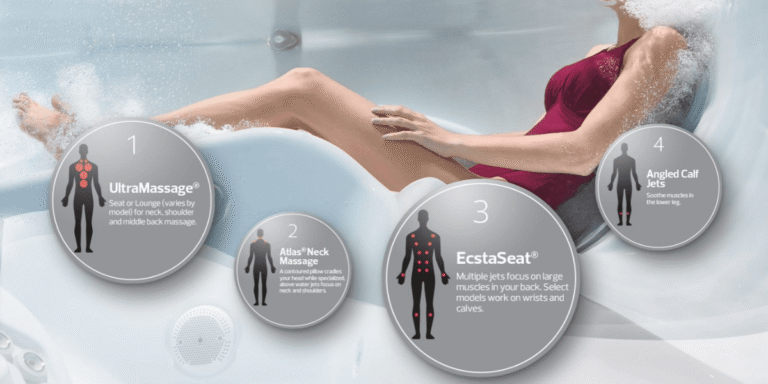
Sit so your legs and feet stay under the water, since the pressure works only on the parts it touches. Choose a seat that feels comfortable, and let your muscles relax. If a seat keeps you cramped, move to another spot. Low jets add gentle massage.
Soak for 15 to 20 Minutes
Short sessions are safer, and a hot tub for swollen feet does not need to be a marathon. According to Pool & Hot Tub Alliance, aim for 15 to 20 minutes, then step out slowly. Drink water before, during, and after your soak, since heat makes you sweat and lose fluid.
Raise Your Legs Afterward
After you dry off, lie down and raise your legs above heart level for a few minutes. This step may help relieve swelling, independent of hot tub circulation, because gravity helps fluid move away from your feet. Limit excess salt, which can contribute to fluid retention over time.
A short soak and a little patience can make tired legs feel lighter by bedtime. Colorado Springs Hot Tubs knows how much a good soak means after a long day. Get in touch today and read our guide, “Health Benefits of Using Hot Tubs,” to see what regular soaks can do for you.
Make Your Hot Tub Session Comfortable
A relaxing soak should leave you feeling comfortable, not overheated. When using a hot tub, listen to your body and take simple precautions.
| Safety Factor | What to Do |
| Soaking | Avoid prolonged sessions. |
| Exiting the tub | Move slowly to prevent dizziness. |
| Drinking water | Stay hydrated before and after soaking. |
| Overheating | Leave the water if you feel too hot. |
| Warning signs | Stop soaking if you feel faint or unwell. |
When to Skip the Soak and Call a Doctor
Prolonged sitting or standing, pregnancy, certain medicines, or underlying heart, kidney, or vein conditions can cause swelling. Sudden swelling in one leg, especially with pain, warmth, or redness, needs urgent medical evaluation because it may indicate a blood clot.
A hot tub may provide temporary comfort but cannot treat the underlying cause of persistent swelling. Seek emergency medical help for swelling accompanied by chest pain or difficulty breathing. Anyone who is pregnant or has a heart condition should check with their doctor to ensure hot tub use is safe.
Frequently Asked Questions
1. Can Soaking in a Hot Tub Help Reduce Swelling in the Legs and Feet?
Yes, water immersion may bring short-term relief for some types of swelling. Water pressure can help shift fluid away from your lower legs, but heat does not always help. It doesn’t cure the cause, so persistent swelling still needs a doctor’s attention.
2. How Does Warm Water Affect Circulation in the Legs?
Warm water widens blood vessels, so more blood reaches your legs. Water pressure also gently compresses submerged tissues, which may help explain how hydrotherapy for swollen legs can shift fluid toward the heart. However, the effect depends on the cause of swelling and is not guaranteed.
3. Is It Safe to Use a Hot Tub with Swollen Feet?
It may be safe for some healthy adults if the water stays at or below 104°F and sessions are short. Seek medical advice first if the swelling is new, painful, or accompanied by other symptoms, or if you have heart disease. Safety depends on the cause of swelling and your overall health.
4. How Long Should You Soak in a Hot Tub for Leg Discomfort?
Keep your soak for 15–20 minutes and use warm water. Start with less time if you are not used to hot tubs, and increase cautiously as you get used to the heat. Get out sooner if you feel dizzy, overheated, or lightheaded, and drink water afterward. This duration is general safety guidance, not a proven treatment for swelling.
5. When Should You Avoid Using a Hot Tub for Swelling?
A warm water soak may comfort tired legs. Water pressure may shift fluid, but heat can worsen swelling. Keep sessions short, elevate your legs, and stay hydrated. Seek medical advice for persistent swelling and urgent care for sudden, painful, or one-sided swelling.
Conclusion
A warm water soak for swollen feet can really comfort tired legs. Heat opens blood vessels, water pressure moves fluid along, and a short, comfortable session keeps things safe. Pair the soak with leg raising and plenty of water. You deserve relief that feels good and stays gentle. Keep a doctor in the loop whenever swelling is sudden, painful, or one-sided.
Comfortable soaks start with a hot tub that suits your space and your routine. Colorado Springs Hot Tubs stocks new and refurbished hot tubs in Colorado Springs. Contact us today for a warm welcome and a tub that makes every evening easier on your legs!