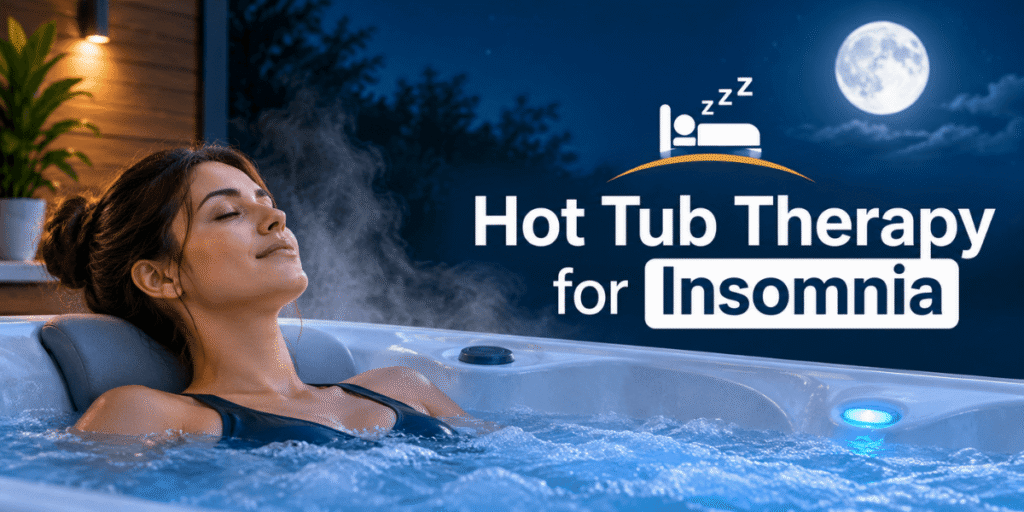
A restless night can make even the simplest tasks feel exhausting, leaving concentration, mood, and energy levels affected the next day. A soothing soak before bedtime offers more than a moment of relaxation. Using a hot tub for insomnia may help calm the body, ease tension, and support the natural temperature changes associated with falling asleep, making warm-water immersion a comforting addition to an evening routine.
How Hot Tub Therapy May Support Better Sleep
Sleep depends on several interacting processes, including the body’s internal clock, temperature regulation, stress levels, and daily habits. Hot tub therapy for sleep may support relaxation and natural cooling as bedtime approaches. A warm soak can help some people unwind before bed, making it a useful addition to a consistent nighttime routine.
Warm Water and the Body’s Natural Cooling Process
Body temperature follows a daily rhythm, typically declining as the body prepares for sleep. Immersion in warm water temporarily raises skin temperature and increases blood flow near the skin’s surface. After leaving the water, the body can release heat, helping its temperature move downward.
A 2019 Sleep Medicine Review published on PubMed examined 17 studies of warm baths and showers. The researchers discovered that passive heating with water heated to around 104°F to 108.5°F, when scheduled one to two hours prior to bedtime, was linked to enhancements in sleep quality and a reduction in sleep onset latency, which refers to the duration it takes to fall asleep.
This research supports the potential value of warm-water routines, but it does not establish that hot tubs cure insomnia. The water temperature, duration, and timing used in individual studies also matter when applying their findings to a home hot tub.
Relaxation After a Demanding Day
Physical tension and mental stress can make it difficult to settle down at night. Warm water may help loosen tense muscles and create a quieter transition between daily activities and bedtime.
A comfortable soak can also become a consistent evening ritual. Setting aside time without work notifications, bright screens, or other distractions may help reduce stimulation before sleep. The relaxation effect is personal, so the experience may be more helpful for some people than others.
A Calmer Transition to Bedtime
A nighttime routine works best when it signals that the day is winding down. A warm soak followed by changing into comfortable sleepwear and spending time in a dim, quiet room can provide a clear transition toward rest.
The aim is not to force sleep immediately after leaving the water. Instead, the routine gives the body time to cool down and the mind an opportunity to settle before getting into bed.
What Research Says About Hot Tubs and Sleep Quality
Evidence for warm bathing and sleep is promising, but it is important to distinguish research on baths from research on hot tubs. The two involve water immersion, yet hot tubs may expose users to higher temperatures for longer periods, and their jets introduce additional factors.
Findings from Sleep Research
The 2019 review found that warm bathing or showering could shorten the time needed to fall asleep when timed appropriately before bedtime. Its findings support passive body heating as a possible addition to a healthy sleep routine, not as a stand-alone insomnia treatment.
A separate 2021 study published in the Journal of Clinical Sleep Medicine examined bathing habits and sleep among 1,094 older adults. Bathing approximately one to three hours before bed was associated with shorter sleep onset latency. However, the study was observational, so it cannot prove that bathing alone caused the improvement.
Understanding the Limits of the Evidence
Insomnia can involve difficulty falling asleep, waking repeatedly during the night, or waking earlier than intended. Warm-water immersion may help with relaxation and falling asleep, but evidence that it consistently resolves all these symptoms is limited.
A hot tub should therefore be considered a possible part of a broader sleep routine rather than a replacement for professional care. Persistent insomnia may require assessment of contributing factors and evidence-based treatment.
How to Use a Hot Tub Before Bedtime
Timing and temperature matter when incorporating a soak into an evening routine. A session that feels comfortable and relaxing may support sleep preparation, while excessive heat or an overly long soak can leave the body uncomfortable.
Choose a Suitable Time
Research on warm bathing suggests that soaking around one to two hours before bedtime may be beneficial. The CDC’s National Institute for Occupational Safety and Health also recommends a warm bath approximately 30 minutes to two hours before bed as part of a relaxing sleep routine.
For hot tub users, this provides a reasonable starting point, not a guaranteed schedule. Allow enough time to cool down, hydrate, and complete other bedtime activities before lying down.
Keep the Water Comfortably Warm
Hotter water is not necessarily better for sleep. Excessive temperatures can cause overheating, dizziness, and dehydration, particularly during prolonged sessions.
People who are sensitive to heat may need a lower temperature and a shorter session. Follow the manufacturer’s instructions and leave the water if feeling lightheaded, weak, or uncomfortable.
Limit the Length of Each Session
Start with a brief, comfortable soak rather than spending an extended period in hot water. The appropriate duration depends on water temperature, personal tolerance, and individual health considerations.
Long sessions can increase the risk of overheating and may leave the body feeling drained instead of relaxed. A shorter routine that can be followed comfortably is generally more practical than an intense session immediately before sleep.
Keep the Rest of the Routine Consistent
A hot tub works best as one part of a broader approach to sleep. Maintain a regular bedtime, reduce bright light exposure, avoid late caffeine, and keep the bedroom dark, quiet, and comfortably cool.
If a soak makes it harder to cool down or delays bedtime, adjust the timing or skip it. The goal is to support a natural transition to sleep, not add another demanding activity to the evening.
Top Benefits of Hot Tub for Sleep and Relaxation
Warm-water immersion may offer several benefits that make an evening routine more comfortable. These effects are not universal, and their extent depends on personal circumstances.
Physical Relaxation
Warm water can ease the sensation of muscle tightness after a physically demanding day. Gentle buoyancy also reduces the feeling of body weight supported by the joints while immersed. This can make resting more comfortable for some users, although it does not treat the underlying causes of chronic pain.
Stress Management
A quiet soak can provide time away from work, household tasks, and digital distractions. Combining this period with slow breathing or another calming activity may help reduce mental stimulation before bed.
A Consistent Evening Habit
Repeating a calming activity at a similar time each evening can help establish a predictable bedtime routine. Consistency matters because the body’s sleep and wake rhythms respond to regular schedules.
Potential Support for Falling Asleep
Research on warm baths suggests that appropriate timing may shorten sleep onset latency. However, improvements in falling asleep do not necessarily mean longer sleep or fewer nighttime awakenings. Hot tub use should be viewed as a possible support for sleep rather than a guaranteed solution.
For homeowners interested in hot tub hydrotherapy, Colorado Springs Hot Tubs features several hot tub options with features that support comfortable, relaxing soaking sessions. Choose a model with suitable temperature controls and easy-to-use settings to maintain a consistent evening routine.
Hot Tub Safety Considerations Before Bed
Using a hot tub at night requires sensible precautions. Warm water affects circulation and body temperature, so a relaxing session should never come at the expense of safety.
- Avoid Alcohol: Alcohol can impair judgment and increase the risks associated with hot-water immersion. It can also disrupt sleep later in the night.
- Drink Water: Hydration is important, particularly after exposure to heat. Avoid excessive fluid intake immediately before bed if nighttime bathroom trips are a concern.
- Use Caution with Medical Conditions: People with cardiovascular conditions, blood pressure concerns, impaired temperature sensation, or medications that affect alertness or circulation should ask a healthcare professional about safe use.
- Follow Pregnancy Precautions: Pregnant people should consult their healthcare professional before using a hot tub because overheating can pose risks, particularly during early pregnancy.
- Do Not Fall Asleep in the Water: Hot tubs are not sleeping spaces. Leave the water before becoming drowsy and ensure children are supervised appropriately.
Frequently Asked Questions
-
Can a Hot Tub Help with Insomnia?
A warm soak may help some people relax and fall asleep faster. Research on warm baths supports this possibility, but hot tubs have not been established as a cure for insomnia.
-
When is the Best Time to Use a Hot Tub for Sleep?
Research suggests that warm bathing one to two hours before bedtime may support sleep onset. Hot tub users should allow time to cool down before going to bed.
-
What Temperature Should a Hot Tub Be for Nighttime Use?
The best temperature depends on individual comfort and health. The water should never exceed 104°F, and a lower setting may be more comfortable for an evening soak.
Conclusion
Hot tub therapy may offer a relaxing way to prepare for sleep, particularly when a warm soak is scheduled one to two hours before bedtime. Research on warm bathing suggests potential benefits for falling asleep, although more evidence is needed to establish the effects of hot tubs specifically. Comfortable water temperatures, shorter sessions, consistent bedtime habits, and appropriate safety precautions are important for making this routine practical.
Create a relaxing bedtime routine with Colorado Springs Hot Tubs. Browse our selection of hot tubs in Colorado Springs to find a model with comfortable seating and convenient temperature controls for your evening soak.