
Managing stress has become crucial for maintaining physical health and emotional well-being. As the pace of daily life continues to increase, more people are turning to simple, effective therapies they can use at home. Among the most popular methods are cold and hot therapy. Each has distinct physiological effects and is suited for different types of discomfort.
This guide explains the practical differences between cold and hot therapy, when to use each, and how you can build a simple wellness routine using both.
Hot Therapy: Relaxation and Recovery Through Warmth
What Is Hot Therapy?
Hot therapy involves applying warmth to the body, which increases circulation, relaxes muscles, and eases tension. It includes methods like hot baths, warm compresses, heated blankets, infrared devices, and hot tubs.
This technique works by dilating blood vessels, which boosts the supply of both oxygen and nutrients to tissues, accelerates healing, and provides a deep sense of comfort. Hot therapy is particularly effective for chronic muscle tightness and emotional tension.
Hot Therapy Benefits
1. Relieves Muscle Tension
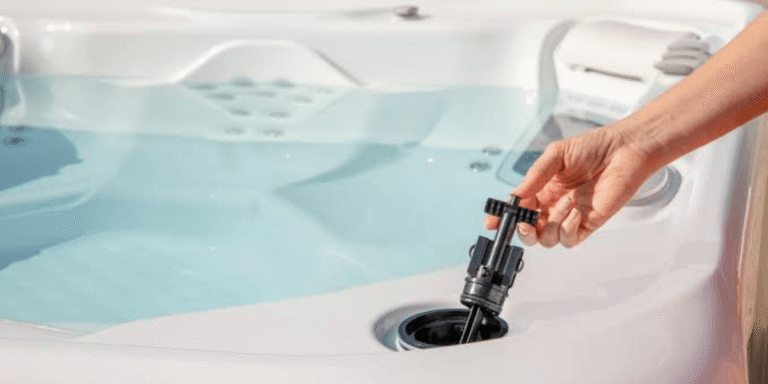
Soaking in warm water helps reduce stiffness by increasing blood flow to sore or tight areas. A Dream Maker Spas hot tub from Colorado Springs Hot Tubs offers an easy way to experience this benefit at home, especially after physical activity or long periods of sitting.
2. Supports Circulation
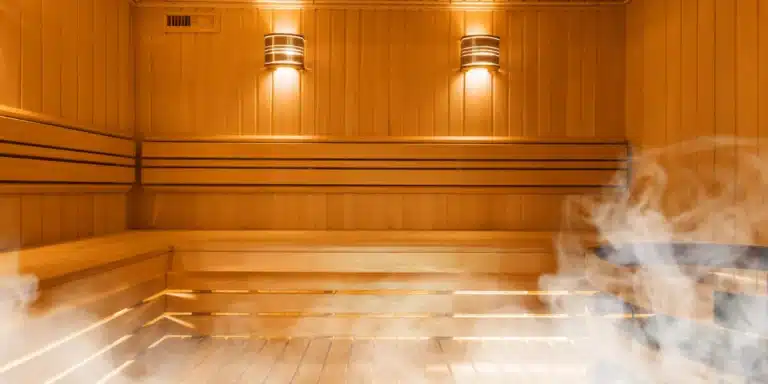
The heat from a hot tub, jacuzzi, or sauna causes blood vessels to expand. This leads to more oxygen and nutrients to reach soft tissues. Enhanced blood flow also removes metabolic waste, promoting faster recovery.
3. Promotes Better Sleep
Warming the body before bed can trigger a natural drop in core body temperature afterward. This cooling effect signals the brain that it’s time to rest, helping the body fall asleep more easily and sleep more deeply.
4. Eases Mental Strain
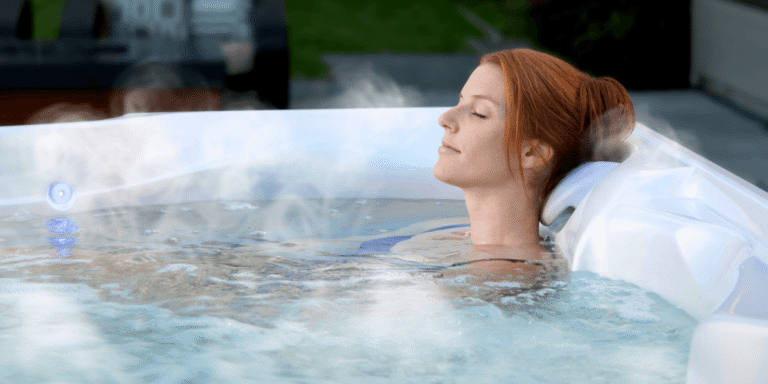
A hot bath for anxiety can have a calming effect on the nervous system. Immersion in warm water encourages slow breathing and muscle relaxation. This reduces cortisol, the body’s primary stress hormone, and supports emotional balance.
When to Use Hot Therapy
- After a long day at work or periods of emotional stress
- Before bed to improve sleep quality
- To manage chronic tightness in the back, shoulders, or neck
- As part of a relaxation routine at home
Cold Therapy: A Quick Reset for Body and Mind
What Is Cold Therapy?
Cold therapy, or cryotherapy, involves exposing the body to low temperatures. It can be as simple as applying an ice pack or stepping into a cold shower. More immersive options include plunge pools or dedicated cold baths.
Cold therapy works by narrowing blood vessels, reducing inflammation, and slowing nerve activity. This can help manage acute pain and provide a sense of alertness.
Benefits of Cold Therapy
1. Reduces Inflammation
Cold temperatures constrict blood vessels, which helps limit swelling and tissue damage after exertion or injury. This is why athletes frequently use ice packs or cold plunges post-training.
2. Boosts Mental Energy
Cold exposure triggers the release of norepinephrine. This is a hormone that helps increase alertness and sharpen focus. This can be especially helpful when feeling mentally drained or foggy.
3. Enhances Immunity
Regular exposure to cold may support immune function by promoting white blood cell activity. Some studies suggest that cold therapy can strengthen the body’s resilience against illness.
4. Trains Mental Resilience
Immersing yourself in cold water requires conscious control over breathing and mental state. Over time, this builds stress tolerance, patience, and discipline—skills useful for handling everyday challenges.
When to Use Cold Therapy
- Following a workout to reduce soreness or swelling
- During mid-day slumps, for a quick energy boost
- To help build focus and emotional control
- When recovering from a minor injury or strain
Cold Therapy Vs Heat Therapy: Which Should You Choose?
Understanding how these therapies affect your body is key. Use hot therapy to calm the nervous system, improve sleep, and relax muscles. Cold therapy is better suited for energizing the body, reducing inflammation, and increasing mental sharpness.
Each serves a different role, and one is not better than the other. The best results often come from using both intentionally, depending on your physical and emotional needs.
Using Contrast Therapy: Alternating Between Hot and Cold
What Is Contrast Therapy?
Contrast therapy refers to alternating between hot and cold applications. This method stimulates circulation by rapidly dilating and constricting blood vessels. It’s commonly used for athletic recovery but can also help manage stress and fatigue.
A simple routine might include a hot shower followed by a cold rinse. Others might rotate between a sauna and a cold plunge.
Benefits of Contrast Therapy
- Speeds up recovery by flushing waste from muscles
- Enhances circulation and oxygen delivery
- Helps reduce soreness and joint stiffness
- Provides a mental reset and mood lift
Who Can Benefit
- Athletes and fitness enthusiasts
- People with sedentary lifestyles who experience muscle tightness
- Anyone looking for a mood boost or better circulation
- Those seeking to improve cardiovascular resilience
Creating Your At-Home Wellness Space
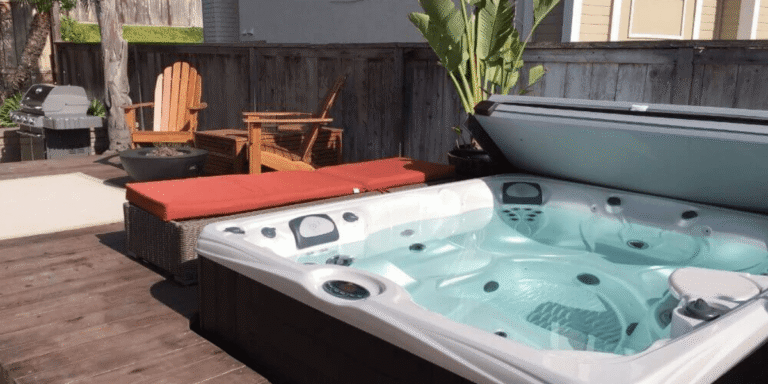
You don’t need a spa membership to benefit from these techniques. At-home tools like a hot tub, sauna, or plunge pool can bring stress relief right to your doorstep.
A Colorado Springs sauna or cold therapy setup can serve as part of a daily or weekly ritual that supports long-term mental and physical health. It doesn’t matter if it’s a 20-minute evening soak or a morning cold rinse, the consistency is what creates lasting results.
We offers solutions that fit a variety of lifestyles and home environments. Options range from basic hot tubs to advanced systems designed for both heat and cold therapy.
Final Thoughts: Finding Balance in Therapy
Cold and hot therapies are not opposing forces; they are complementary tools. Hot therapy provides comfort and relaxation, while cold therapy delivers clarity and energy. Recognizing when to use each empowers you to handle stress more effectively.
Tailor your overall wellness routine to your unique needs. One day may call for the calming effects of heat. Another might benefit from the refreshing jolt of cold. Both contribute to a healthier, more balanced life.
When used thoughtfully, therapies like these can be the foundation of a stress management system that works at home, every day.