
Snow melts off the cover, the yard turns green again, and the tub that sat quiet through the coldest months is ready for use. Before that first spring soak, give the spa a thorough inspection, deep clean, and water-care reset. Skipping the reset can contribute to cloudy water, equipment issues, and unexpected repairs later in the season. This guide shows you how to prepare your hot tub for spring step by step.
Cold weather and periods of reduced use change how often a hot tub needs attention. If you neglected water care or circulation, contaminants, scale, and biofilm can accumulate. That makes hot tub cleaning for the new season a worthwhile step before regular spring use resumes.
How to Drain and Deep Clean Your Hot Tub
For many residential hot tubs, draining and refilling every three to four months is a common maintenance interval. The ideal schedule depends on usage, water quality, and the manufacturer’s recommendations.
With the spa empty, begin your hot tub spring cleaning by scrubbing the shell with a mild, non-foaming, non-abrasive cleaner. Pay close attention to the waterline and other areas where residue or biofilm may collect. Inspect the shell for cracks, flaking, or discoloration while everything is exposed. Finish by cleaning and drying the cover, checking it for tears, and confirming that the locking mechanism still works.
Balance the Water for a Fresh Start
Balanced water is the next priority after refilling. According to the CDC, spa water should maintain a pH between 7.0 and 7.8, with chlorine at a minimum of 3 ppm or bromine between 4 and 8 ppm. Test the water with strips and adjust it with the appropriate increaser or decreaser. Follow your spa manufacturer’s instructions for sanitizer and shock treatment after refilling, and use products compatible with your water-care system.
Mineral deposits or scale can become visible when a spa has not been maintained consistently. If you see deposits, use a stain-and-scale product approved for your spa. Handling these issues promptly is a key part of seasonal hot tub maintenance because it keeps the water clean and balanced as regular use resumes.
How to Check Your Hot Tub Equipment After Winter
Confirming that the equipment survived the cold is just as important as the cleaning. Run through these checks as part of your hot tub maintenance after winter, before the tub returns to regular use:
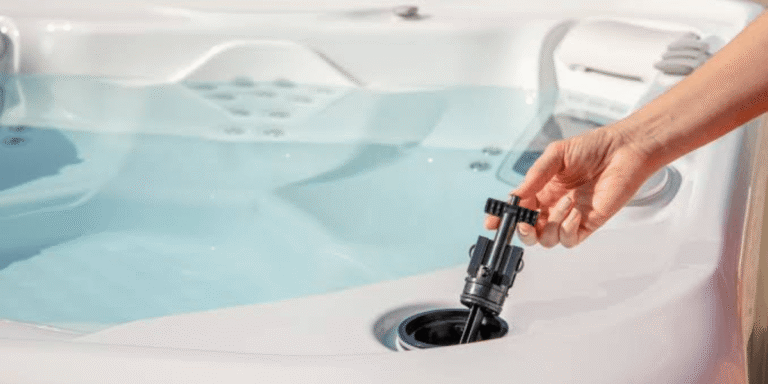
- Pull the filter and rinse it with a garden hose, then use a manufacturer-approved filter cleaner when a deeper clean is needed.
- Check the filled tub for leaks before returning it to regular use.
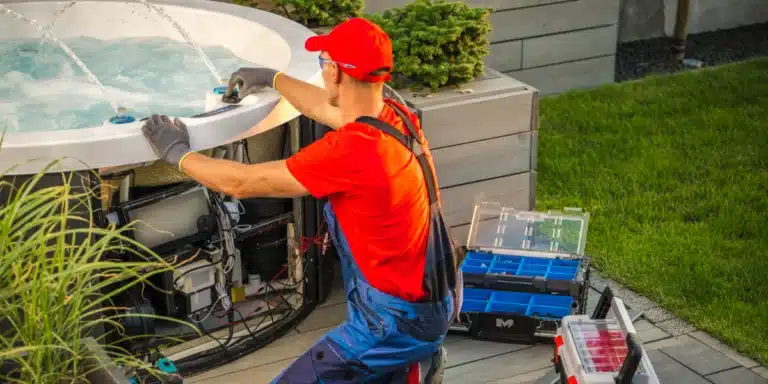
- Run the pump and heater and listen for unusual noises or vibrations that might signal a developing issue.
- Schedule a professional inspection if anything looks off, particularly a persistent leak, unusual equipment noise, or a heating problem.
If your spring check reveals an issue, Colorado Springs Hot Tubs features products to help you service, repair, and plan your next backyard wellness upgrade. Explore our saunas in Colorado Springs and find an option that fits your space and routine.
Temperature and Safety Adjustments for Warmer Days
As outdoor temperatures rise, you can adjust the water temperature to suit your comfort and seasonal preferences. Hot Spring Spas notes that most people choose a setting between 100°F and 102°F for a comfortable soak, while the CDC advises keeping hot tub water at a maximum of 104°F.
Covers come off more often in mild weather, so make securing the cover after every use a habit. Keep alcohol out of the routine as well, since the CDC specifically flags drinking before or during hot tub use as a safety risk.
Ways to Enjoy Your Hot Tub More This Spring
With the fundamentals handled, spring is a good time to think beyond upkeep and get more enjoyment out of the tub itself. The ideas below focus on comfort, water clarity, and atmosphere.
Aromatherapy for Spring Soaks
If you want to add aromatherapy to a spring soak, use only products specifically formulated for hot tub use. Avoid adding ordinary essential oils directly to the water, as oils can interfere with filtration and potentially damage spa components. Check your owner’s manual and follow the manufacturer’s recommendations before using any scented product.
Quiet Time in the Tub
Spring is a natural time to focus on the wellness side of your tub. Playing soft music or nature sounds, practicing a few minutes of meditation, or simply relaxing can make a short soak more enjoyable.
Cleaner Water Through Better Filtration
A high-quality filter or micro-filter improves water clarity and reduces how often you need to clean the filter. UV and ozone systems can supplement a spa’s water-care system. They do not remove the need for appropriate sanitizer and water-balance practices.
Cover and Ambiance Upgrades
A properly fitted, well-insulated cover can help reduce heat loss. A cover lifter can make regular use easier, and LED lighting or a Bluetooth sound system can make an evening soak more enjoyable.
Your Spring Reset at a Glance
The table below condenses the recurring tasks into one place you can bookmark and return to as the season goes on. Following this schedule keeps water quality and filtration consistent once regular use picks back up.
| Task | Suggested timing | Why it matters |
| Drain and refill | Typically every three to four months, depending on use, environmental factors, water-care system, and manufacturer guidance | Refreshes spa water |
| Test water chemistry | Regularly, following manufacturer guidance | Helps maintain appropriate sanitizer and pH levels |
| Rinse filter | As directed in your owner’s manual | Removes accumulated debris |
| Deep-clean filter | Seasonally or according to manufacturer guidance | Helps maintain filtration performance |
| Replace filter | When worn, damaged, or no longer effective, according to manufacturer guidance | Maintains effective filtration |
Use this schedule as a starting point and adjust it to your spa’s usage and your manufacturer’s guidance. Keeping up with these tasks regularly makes it easier to spot small problems before they turn into larger repairs.
Frequently Asked Questions
1. How often should I drain my hot tub for spring cleaning?
Every three to four months is typical, though heavy use may call for more frequent draining.
2. What temperature should my hot tub be set to in spring?
There is no single spring setting that suits everyone. Most people prefer to set their hot tub temperature between 100°F and 102°F for a comfortable soak, while the CDC advises keeping hot tub water at a maximum of 104°F.
3. How do I know if my filter needs replacing?
Inspect the filter for tears, cracks, significant wear, or persistent buildup. If cleaning no longer restores filtration performance, check the manufacturer’s recommended replacement interval for your specific filter.
4. Can you safely use essential oils in a hot tub?
Avoid adding ordinary essential oils directly to hot tub water unless the product is specifically designed for spa use. Oils can interfere with filtration and may affect spa components.
5. When should I call a professional instead of doing it myself?
Any persistent leak, unusual pump or heater noise, or component that appears damaged or worn should be evaluated by a qualified technician before continued use.
Final Thoughts
A thorough spring reset can support clean water, reliable equipment performance, and more enjoyable soaks throughout the season. Working through cleaning, water chemistry, and equipment checks in order gives your tub a dependable start to the warmer months.
If your inspection reveals a tub that has seen better days, Colorado Springs Hot Tubs can walk you through repair options or help you find refurbished hot tubs in Colorado Springs, including professionally tested and reconditioned options at budget-friendly pricing.