
A new hot tub can quickly become a favorite place to relax after a long day, spend time with family, or soothe tired muscles. While enjoying warm, clean water is easy, keeping the spa in excellent condition requires a consistent care routine. Good maintenance protects the equipment, improves water quality, and helps prevent expensive repairs. Learning the basics early also makes ownership much less stressful.
A well-maintained hot tub lasts longer, performs better, and provides a more enjoyable soaking experience. This hot tub maintenance guide explains the essential tasks every new owner should know, from balancing water chemistry to cleaning filters and preparing for seasonal changes.
Why Regular Hot Tub Care Matters
Many first-time owners assume hot tubs require very little attention. In reality, warm water creates an environment where bacteria, body oils, cosmetics, and debris can build up quickly if routine care is overlooked.
Consistent hot tub maintenance helps:
- Keep water clean and safe
- Improve sanitizer effectiveness
- Protect pumps, heaters, and plumbing
- Reduce unpleasant odors and cloudy water
- Extend the lifespan of the spa
- Lower the risk of costly repairs
Instead of waiting for problems to appear, following a simple maintenance routine keeps the system operating efficiently throughout the year.
A Simple Maintenance Schedule for New Owners
Breaking maintenance into manageable tasks makes the process much easier.
|
Maintenance Task |
Recommended Frequency | Purpose |
| Check water level and temperature | Daily |
Maintain proper operation |
|
Test water chemistry |
2 to 3 times weekly | Keep water balanced |
| Rinse filters | Weekly |
Improve circulation |
|
Wipe the waterline |
Weekly | Remove oils and residue |
| Deep clean filters | Monthly |
Restore filtration performance |
|
Inspect equipment |
Monthly | Catch small issues early |
| Drain and refill water | Every 3 to 4 months |
Refresh water quality |
These recommended frequencies are general guidelines, not universal rules. Actual maintenance schedules can vary based on hot tub model, usage, water conditions, climate, and manufacturer recommendations.
Build Healthy Water Chemistry Habits
Clean water begins with balanced chemistry. Sanitizers cannot work effectively if pH or alkalinity falls outside the recommended range.
· Monitor pH Levels
The ideal pH typically falls between 7.2 and 7.8. Water below this range may irritate skin and damage equipment, while higher levels can reduce sanitizer efficiency and encourage scale buildup.
· Keep Total Alkalinity Stable
Alkalinity acts as a buffer that helps prevent rapid pH swings. Maintaining proper alkalinity makes balancing the water much easier over time.
· Maintain Proper Sanitizer Levels
Most hot tubs use chlorine or bromine to destroy bacteria and contaminants. Regular testing ensures sanitizer remains effective without becoming excessive.
· Test Water Consistently
Test strips and digital water testers provide quick results. Testing several times each week allows small adjustments before larger problems develop.
Ready to upgrade your backyard relaxation? Contact us to ask about the Caldera Vacanza price, available models, and maintenance essentials.
Keep Filters Working Efficiently
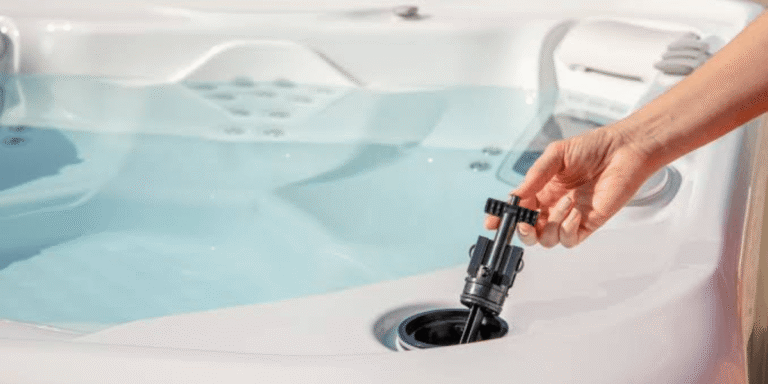
Hot tub filters are essential for maintaining clean water as they capture dirt, oils, hair, and various other contaminants. When filters become clogged, water circulation decreases, forcing the pump to work harder and reducing overall performance. Once a week, use a garden hose to wash the filter and eliminate surface dirt, and then perform a thorough cleaning once a month with a filter cleaning solution to break down trapped oils and buildup.
Even with proper care, filters eventually wear out. Replacing them according to the manufacturer’s recommended schedule helps maintain strong water flow, cleaner water, and efficient operation of the entire hot tub system.
Keep the Spa Clean Beyond the Water
Water treatment alone cannot keep a hot tub looking its best. The shell, cover, and surrounding surfaces also require attention.
· Wipe the Waterline
Natural body oils, sunscreen, and cosmetic products often collect around the waterline. Regular cleaning prevents stubborn residue from forming.
· Clean the Spa Cover
A quality cover protects the water from leaves, insects, and dirt while improving energy efficiency. Cleaning both sides of the cover helps prevent mildew and unpleasant odors.
· Flush Plumbing During Water Changes
Before draining the spa, a plumbing flush product can help remove hidden buildup inside the pipes. This simple step supports cleaner water after refilling.
· Replace Water Regularly
Fresh water is much easier to balance than water that has accumulated dissolved solids for months. Most residential hot tubs benefit from complete water replacement every three to four months.
Common Hot Tub Problems and Practical Solutions
Even with regular care, small issues occasionally appear. Identifying the cause early often prevents larger repairs.
· CloudyWater
Cloudy water usually results from poor filtration, unbalanced chemistry, or heavy spa use. Testing the water, cleaning the filter, and shocking the spa often restore clarity.
· Foamy Water
Foam frequently develops from lotions, detergents, cosmetics, or soap residue on swimsuits. Showering before entering the spa helps reduce these contaminants.
· Scale Buildup
Hard water contains minerals that can leave white deposits on spa surfaces and equipment. Maintaining balanced water chemistry reduces scaling and protects internal components.
· Strong Chemical Odors
A strong smell does not necessarily indicate too much sanitizer. Combined chlorine or contaminated water may actually require additional treatment to restore proper balance.
Smart Habits That Extend Spa Life
Long-term ownership becomes much easier by following several simple practices.
· Shower Before Entering
Clean skin introduces fewer oils, cosmetics, and personal care products into the water.
· Keep the Cover Closed
Closing the cover after every use keeps debris out while reducing evaporation and heating costs.
· Address Small Problems Quickly
Minor leaks, unusual noises, or inconsistent heating should never be ignored. Early repairs usually cost far less than replacing damaged components.
· Follow Manufacturer Recommendations
Every spa model includes maintenance recommendations specific to its filtration system, pumps, and controls. Following those guidelines helps maximize equipment life.
Building these habits naturally becomes part of daily ownership and simplifies maintaining a hot tub throughout every season.
A Practical Routine for Long-Term Success
New owners sometimes feel overwhelmed by water chemistry and maintenance schedules. Fortunately, most routine care only requires a few minutes each week. Staying consistent prevents larger problems from developing and helps maintain safe, comfortable water year-round.
Following a reliable hot tub maintenance checklist creates confidence while reducing unexpected maintenance challenges. Over time, testing water, cleaning filters, and inspecting equipment become simple habits that protect both the investment and the overall spa experience.
Frequently Asked Questions
-
How Often Should Hot Tub Water Be Changed?
Most residential hot tubs benefit from fresh water every three to four months, depending on usage and water quality.
-
How Frequently Should Water Be Tested?
Testing water two or three times each week helps maintain proper pH, alkalinity, and sanitizer levels.
-
How Do You Maintain a Hot Tub?
Test and balance the water regularly, clean the filters, wipe the shell and waterline, maintain proper circulation, keep the cover clean, and drain and refill the spa as recommended by the manufacturer.
-
Why Does Hot Tub Water Become Cloudy?
Cloudy water commonly results from poor filtration, unbalanced chemistry, or contaminants introduced through regular use.
Conclusion
Owning a hot tub should bring comfort, relaxation, and peace of mind, not constant maintenance concerns. A consistent care routine keeps the water clean, protects important equipment, and extends the life of the spa. Regular testing, proper filtration, seasonal preparation, and routine cleaning all work together to prevent many of the common issues new owners encounter. Applying these hot tub maintenance tips from the beginning helps create healthier water, more reliable performance with minimal interruptions.
Searching for a quality spa for your home? Connect with us to explore our selection of Caldera hot tubs for sale and learn more about your options.