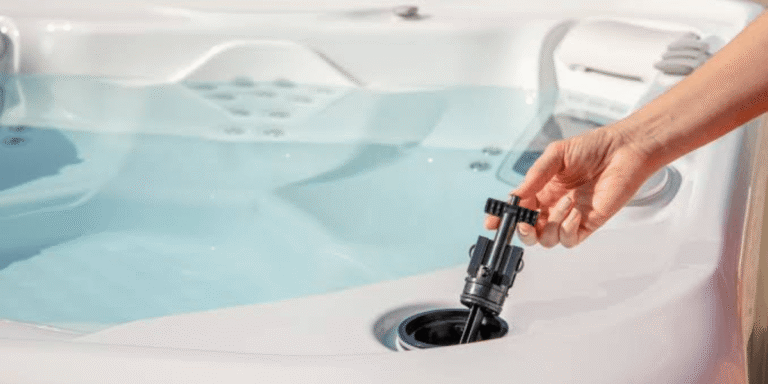

Moving in water can feel easier on the joints than the same movement on land. Water reduces stress on the joints and adds light resistance, which makes it a useful low-impact option. That is why gentle movement in a spa appeals to people who want a softer alternative to the gym, and simple hot tub exercises such as stretching, marching in place, and slow squats are a good place to start.
If you are recovering from an injury or managing joint pain, follow the guidance of your healthcare professional or physical therapist before you start. This guide covers the temperature limits, the gear worth having, and a routine you can follow in order, starting with a warm-up and finishing with stretching.
Can You Exercise in a Hot Tub Safely?
Yes, gentle movement is possible, but the heat means a session should be much lighter than a typical aquatic workout. According to WebMD, water provides more resistance than air, so your muscles still get to work.
Temperature is the main difference between a spa and a pool, since hot tub water can be much warmer than the water in a typical exercise pool. The Arthritis Foundation recommends 83 to 90°F (28 to 32°C) for warm-water exercise and notes that slower movements generally call for warmer water.
The CDC advises that hot tub water should not exceed 104°F (40°C), but that figure is a safety ceiling and not a target for exercise.
If your spa allows it, lower the temperature setting before you begin to bring the water closer to the exercise range. Keep every movement slow, drink water, and stop if you feel dizzy, weak, nauseated, or overheated. Get out of the tub and give your body time to cool down.
Who Should Check With a Doctor First
Aquatic exercise suits many people, but the higher water temperature in a spa calls for extra care. Anyone who is pregnant, recovering from a recent injury or surgery, or living with heart disease, high blood pressure, or another condition that heat or exercise could affect should talk with a healthcare professional before exercising in a hot tub.
WebMD notes that warm water can cause problems for people with high blood pressure and other medical problems, and the CDC recommends that pregnant women consult a physician before using a hot tub, particularly in the first trimester.
The Gear Worth Keeping Within Reach
A small set of supplies makes gentle exercise in a hot tub more convenient, because you will not need to climb out for something mid-session:
- Aquatic dumbbells, aquatic cuffs, or resistance bands to add load beyond plain water resistance.
- A floating or clip-mounted waterproof speaker to make the session more enjoyable without leaving the water.
- A water bottle so you can stay hydrated during and after exercise.
Keep these items within arm’s reach before you start. This basic kit of hot tub exercise equipment covers almost every move in the routine below, and nothing on the list needs to be expensive or specialized to make a real difference.
A Full Routine Broken Down by Body Part
Building hot tub workouts around specific muscle groups makes it easier to structure a session that progresses over time, rather than repeating the same few moves out of habit. Work through the sections below in order, move slowly, and rest between moves. If the water feels too hot, end the session early.
Gentle Warm-Up
Start with controlled movements such as shoulder rolls, arm circles, and slow marching in place. Keep the pace comfortable rather than trying to turn the warm-up into an intense cardio session.
Upper Body Strength
Slow arm presses that push against the water’s resistance, shoulder raises, and controlled chest presses give the upper body light resistance, bicep curls with aquatic dumbbells add a little more load if you want it. Choose equipment designed for water exercise and follow the manufacturer’s instructions.
Lower Body Strength
Slow standing squats and controlled heel raises work the leg muscles while the water supports the body and adds resistance. Keep the knees comfortable and hold the edge of the tub if you feel unsteady.
Core and Balance
Gentle leg lifts while holding the edge of the tub for support, plus slow torso twists at a comfortable depth, engage the core without stressing the back. Keep every movement small and controlled.
Finish With Stretching in a Hot Tub
Warm water may help reduce stiffness and make gentle movement more comfortable. Keep stretches controlled and never force a joint past a comfortable range of motion. For the quads, hold the tub edge and pull one heel back toward your glutes.
For the hamstrings, extend one leg forward with the heel on the floor of the tub and the knee slightly bent, then slowly lean forward. For the shoulders and arms, roll the shoulders, then reach one arm overhead, bend the elbow, and hold it gently with the other hand.
A Quick Reference for Common Exercises
Here is a fast way to match a muscle group to an exercise without paging back through the full routine. Keep this handy beside the tub for quick session planning.
| Muscle Group | Exercise | Equipment Needed |
| Hamstrings and quads | Gentle leg stretches | None |
| Shoulders and arms | Arm presses against the water’s resistance | Aquatic dumbbells, optional |
| Chest and arms | Controlled chest presses | Aquatic dumbbells, optional |
| Legs | Squats and heel raises | None |
| Core | Leg lifts with edge support and slow torso twists | None |
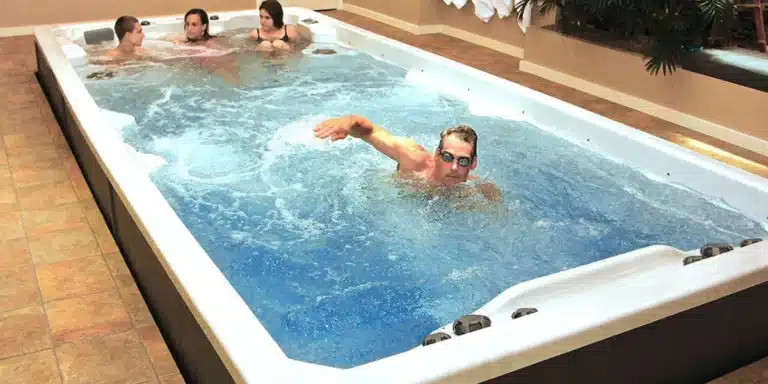
If the routine above has you wanting more room to move, the team at Colorado Springs Hot Tubs can explain which model suits your space and goals. Reach out today to compare swim spas in Colorado Springs and find the one that fits your routine.
Frequently Asked Questions
1. Can you exercise in a hot tub if you have arthritis?
Warm-water exercise can help people with arthritis because buoyancy reduces the load on the joints and the water adds resistance. Hot tub water can run warmer than the range recommended for exercise, so talk with your doctor or physical therapist about intensity, duration, and how often to exercise.
2. What are the best exercises in a hot tub for beginners?
Gentle stretching, marching in place, controlled knee lifts, arm movements, and basic squats are reasonable starting points. Keep every movement slow and stop if you feel overheated or unwell.
3. Do I need special equipment for a hot tub workout?
No, many gentle movements use only body weight, and aquatic dumbbells, aquatic cuffs, or resistance bands can add variety and resistance.
4. How long should a hot tub workout session last?
There is no single ideal length. University of Washington Orthopaedics advises most people to keep soaking time to 10 to 15 minutes at water temperatures of 98 to 104°F. That advice is for soaking, and exercise adds effort, so a short, gentle session is a sensible place to begin. If you are unsure how long is right for you, ask a healthcare professional.
5. Is it normal to feel more tired after exercising in warm water?
You may feel tired after exercising in warm water. Dizziness, weakness, nausea, faintness, or feeling unusually overheated are warning signs to stop, get out of the tub, and cool down.
Final Thoughts
A hot tub is more than a place to unwind after a long day. With the right supplies, a routine that moves through warm-up, strength work, and stretching, and some caution around heat and hydration, a spa can support gentle, low-impact movement alongside its primary role as a place to relax.
If you are thinking about adding a spa for gentle movement and relaxation without stretching your budget, Colorado Springs Hot Tubs carries a wide range of refurbished hot tubs for sale alongside new models. Get in touch with us today!