When considering a hot tub, one of the most important questions is how long it will last. Understanding hot tub life helps make a smarter investment and ensures enjoyment for many years. This blog explores what determines a hot tub’s longevity, how you can protect it, and when it may be time to plan for its replacement.
What Is the Average Hot Tub Life?
Many owners are curious about a realistic timeframe for a hot tub’s useful life. Common industry stats show that hot tubs may last anywhere from 10 to 20 years under good conditions. Another source offers a broader range of 5 to 20 years, acknowledging that actual life depends heavily on build quality and upkeep.
So when asking how long hot tubs last, the practical answer is this: for a well-constructed unit that is maintained properly, you should aim for around 15 to 20 years of reliable use. But if certain factors are less than ideal, life may be significantly shorter.
Big Factors That Affect Hot Tub Life Expectancy
· Build Quality and Materials
The structure of a hot tub sets the foundation for its longevity. A shell made of durable acrylic backed with strong reinforcement will outlast a weaker variant. In cheaper models, shell materials may crack or discolor earlier.
Cabinetry, frame materials, plumbing quality, components like pumps and heaters all matter. Premium hot tubs often include better insulation, higher‑grade wiring, and more resilient parts. Good manufacturing can push life toward the upper 20‑year mark.
· Usage Frequency and Style
How much you use the hot tub has a direct impact on its wear and tear. A model used daily at high temperatures and heavy jets will see faster wear than one used lightly and maintained gently. One report noted two tubs of the same brand lasting 12 years and 22 years purely because of very different usage habits.
· Water Chemistry and Maintenance
Neglecting water balance, sanitation, and basic cleaning is one of the most common reasons a tub’s life is shortened. Unbalanced water can corrode fittings, damage pumps, and shorten heater life.
Routine care keeps components functioning well and helps preserve the structural shell and cabinet. This is not just about water clarity; it matters for mechanical integrity over time.
· Climate and Environmental Conditions
Outdoor hot tubs face rain, sun, wind, frost, freeze‑thaw cycles, and background humidity. Exposure to UV, extreme cold, and shifting temperatures can stress the shell, cabinet, plumbing, and electronics. A unit in a mild climate might last far longer than one in harsh environments.
· Professional Installation and Setup
The best materials alone do not guarantee long life. Installation matters. A tub that isn’t level, has inadequate drainage underneath, or poor wiring is more likely to suffer early problems. That alone can cut short the hot tub’s life span by years.
How Long Do Major Components Typically Last?
It helps to look at major parts and what typical life ranges look like. While the shell and cabinet can endure many years, other parts will need attention or replacement sooner.
- Cover: Often needs replacement in 3 to 7 years, depending on exposure and build.
- Heater: Average lifespan might be 5 to 10 years before increased risk of failure from scale, corrosion, or overuse.
- Pump/Motor: Often 7 to 10 years in well-maintained conditions, but can fail earlier if water chemistry is poor.
- Shell and Cabinet: With good materials and care, the shell can last 10 to 20 years or more.
Knowing these component timelines helps you plan budgeting, inspections, and even decisions about repair versus replacement.
Ways to Extend Your Hot Tub Life
Here are practical practices that apply across models and help extend hot tub life expectancy significantly.
· Regular Water Care
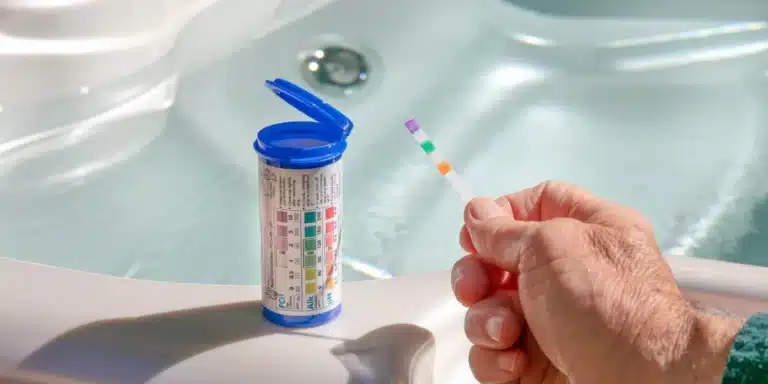
Testing pH, alkalinity, and sanitizer levels at least weekly is key. Fluctuating or unbalanced chemistry causes large damage over time. Clean and rinse filters, flush plumbing, inspect jets, keep the cover clean, and don’t ignore the underside of the cover.
· Protect From the Elements
If the unit sits outdoors, a cover, a canopy, or a shelter helps. Protect against UV rays, heavy snow, tree debris, and insects. In colder climates, winterize or maintain heat to avoid freeze damage to plumbing. A solid insulation package helps maintain stable temperatures and reduces component strain.
· Mind Usage and Settings
Running at extremely high temperatures constantly or using jets full blast for long durations will stress components. Moderating use and adjusting settings based on need will reduce wear. Lowering the temperature when not in use also reduces strain on the heater and circulation systems.
· Inspect and Service Early
Respond to issues early, such as strange pump noise, water that will not heat, leaks, cracks, or electrical irregularities. Early repair is usually far more cost-effective than waiting until a major system fails. Good dealerships and service providers offer inspections that catch wear trends.
· Buy Quality and Use Trusted Installation
Invest in strong construction from a reputable brand and ensure certified installation. The best parts, proper insulation, and sturdy build will deliver more years. When asking what the hot tub life span is, quality pays. Budget units often cut corners, and the life range drops toward the lower end of the scale (5 to 10 years).
Considerations of Hot Tub Longevity
For someone asking how long hot tubs last, it is helpful to set realistic expectations. If you bought an entry‑level unit, installed outdoors in a harsh climate, used heavily and without proper water care, you might see life closer to 5 to 10 years. On the other hand, a well-installed high-quality unit in a moderate climate, maintained carefully and used thoughtfully, can hit 20 years or more. This range appears consistently in industry research.
When Should Replacement Be Considered?
There comes a time when a hot tub has given most of its useful life. Common signs include frequent repairs, rising maintenance costs, poor insulation causing high energy use, shells with cracks, or outdated controls and features. If a unit is approaching 15 to 20 years and showing multiple weakness points, replacement may be more cost-effective than continuing repairs.
Also consider how integrating your spa into a broader wellness setup adds value. For instance, combining the hot tub experience with a Pure Cube outdoor sauna can renew enjoyment and maximize backyard wellness investment.
Conclusion
A hot tub’s lifetime is not fixed but shaped by choices from purchase through ongoing care and environment. Understanding those factors will set realistic expectations and help you make smart decisions. When properly selected, installed, and maintained, a hot tub can serve as a personal retreat and wellness asset for many seasons of warmth and relaxation. You can also complement your setup with the SwimLife SwimFun catalog for added exercise and entertainment options.
If your hot tub is aging or you are ready to invest in one that will last longer and deliver real performance, Colorado Springs Hot Tubs can guide you to the right model. Let us support you with quality installation and care!